|
|
Jordan Wright
January 2011
Special to The DC Metro Magazine
Signature Theatre’s new and permanent digs in Shirlington Village have provided the perfect marriage of good food and entertainment. Running late? No problem. Their café has an eclectic selection of delicious soups, salads, sandwiches and desserts to enjoy in the expansive bar and lounge area. Pair with a glass of wine or one of many craft beers. Still playing “Sunset Boulevard” continues to draw a packed house until February 13th. Then catch the world premiere of the new musical “Wheatley’s Folly” in March. Check the schedule for the more intimate Cabaret Nights in The Ark. (sig-online.org)
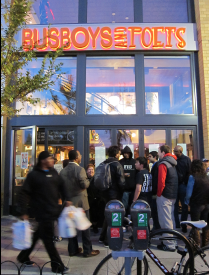
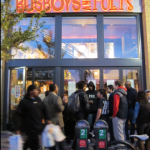 BusBoys and Poet If hip and politically left is your bent then you’ll treasure Busboys and Poets. Reminiscent of an old style bookshop cum coffee house, owner, activist and arts supporter, Andy Shallal encourages lingering and dialogue with music, open mic nights and poetry slams. The casual fare is affordable and delicious with pizzas, paninis, salads and full-on entrees. (busboysandpoets.com)
T.H.A.I. is the best and prettiest Thai restaurant in the area. Chef Aulie prepares her flavorful thai-with-a-twist cuisine from her grandmother’s recipes in a sleek modern setting. Service is prompt and, as with all restaurants in Shirlington, they are super-aware of guests trying to make curtain time. (thaiinshirlington.com)
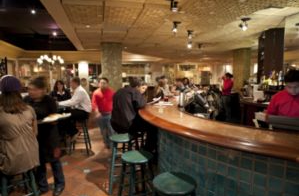
Samuel Beckett’s Gastro Pub serves Irish food in a large but cozy bi-level pub that pays tribute to the iconic dramatist. Local restauranteur Mark Kirwan who hails from the Auld Sod, gets it just right with traditional and new Irish comfort food. A large selection of esoteric Irish whiskeys, and 12 different Irish beers are on tap. Stays open for late night dining. (samuelbecketts.com)
Aladdin’s presents Middle Eastern cuisine with an extensive Lebanese-inspired menu. Be sure to try one of seven kinds of herbal teas or a fresh fruit smoothie with the “pitzas”, pitas, salads, kaftas and kabobs. (aladdinseatery.com)
Ping by Charlie Chang’s is a dazzling bright red space serving Modern Asian cuisine with small plates, unique Asian fare, and dozens of sushi and nigiri options in their Shina Lounge. (charliechangs.com)
Arena Stage opened their $35 million dollar glamorous new digs this past fall to thunderous applause. Next Stage by José Andrés is where the uber-chef designs the dinner menus to reflect the current production. Open two and a half hours before curtain time, reservations are highly recommended. Upscale light fare is sold at Concessions. Before the show, sip champagne on the lofty terrace with a waterfront view. (arenastage.org)
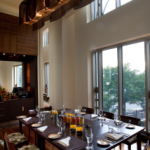 Mandarin Oriental 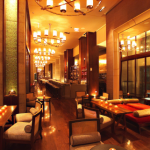 CityZen at Mandarin CityZen in the five-star Mandarin Hotel is noted chef Eric Ziebold’s fantasy creation, reflecting a fine French dining experience with innovative cuisine in a stunning setting. The fixed price menu is full of inspired seasonal dishes. Also in the hotel is Sou’Wester, Ziebold’s interpretation of regional American cooking featuring hearty, wholesome cuisine from fried chicken to red velvet cake. (mandarinoriental.com)
Phillips Flagship is the granddaddy of seafood restaurants in Washington DC. This location overlooking the Potomac River is well known for their all-you-can-eat seafood buffet, featuring over 30 selections, and dockside dining. (phillipsseafood.com)
The Shakespeare Theatre Company, with its Lansburgh Theatre and nearby Sidney Harman Hall, has a wealth of dining options in its Penn Quarter neighborhood. (shakespearetheatre.org)
Fogo de Chao is a carnivore’s carnival. With 15 different cuts of flame-grilled meats sliced tableside, it serves Southern Brazilian churrascaria including a lavish salad bar in an attractive white-linen Gaucho-themed atmosphere. (fogodechao.com)
Carmine’s has burst onto the scene in recent months with its signature style of abbondanza. Originating in New York City, this wildly popular resto offers mega-portions of classic Italian recipes like your nonna, if you had one, would make for the famiglia. Make sure to sample their famous meatballs. (carminesnyc.com)
At Ella’s Wood Fired Pizza you’ll find pizzas, calzones, pastas and salads in a low-key casual spot that uses high-end toppings on crisp-crust pizzas. This Neapolitan-inspired restaurant also offers gluten-free crusts and lots of vegan options. (ellaspizza.com)
 Jaleo - Photo Credit: Greg Powers & Audrey Crewe 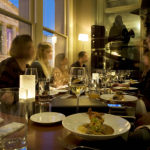 Zola Dining Jaleo – José Andrés triumphs in his ever-popular Spanish-themed tapas restaurant featuring dozens of scrumptious small plates. Perfect for grazing or dining over a pitcher of sangrias and six varieties of regional paellas. This is where you’ll find the luscious Iberican ham. (jaleo.com)
A fashionable destination with a theatrical décor, Zola is known for its out-of-the-box cool American cuisine. Stunning seasonal selections and artisanal cocktails showcase Executive Chef Bryan Moscatello’s original fare. (zoladc.com)
The Kennedy Center is the jewel in the crown of area theatres. The splendid Roof Terrace Restaurant wows guests with exquisite pre-theatre American Modern seasonal dishes by Chef Joe Gurner. Reservations recommended. (kennedy-center.org)
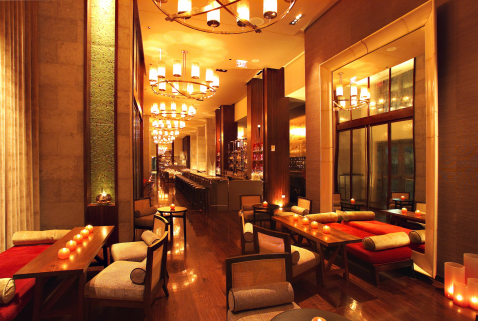
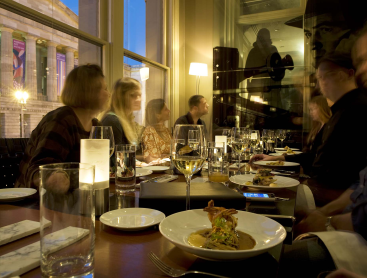
Situated beside the Kennedy Center, newcomer Rivers at the Watergate Restaurant arrived recently with a splash. Whether pre- or post-dinner, its stylish cuisine attracts visiting performers and celebs who gather round the piano bar after the show. While recently in town, Marvin Hamlisch and the cast of “Hair” made this their regular hangout. (riversdc.com)
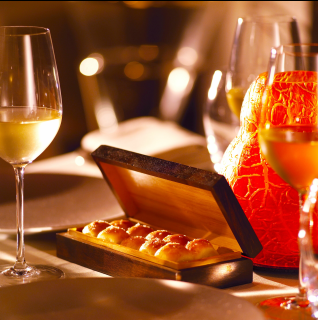
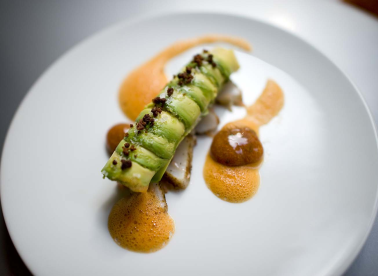
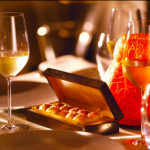 Parker House Rolls 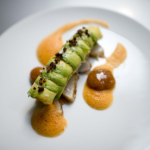 Zola's Signature Scallop's Dish West End Bistro is renowned chef Eric Ripert’s chic French-influenced American comfort food outpost. Known as a hip and fashionable destination among the local cognoscenti, its signature dishes are drawn from Ripert’s Provencal roots. (westendbistrodc.com)
Beloved local chef, Ris Lacoste, has finally opened her very own restaurant and brought her loyal following with her. A tip-top trendy spot, the food at the eponymously-named RIS is influenced by the local farmer’s market and elegantly tweaked classics. Her French onion soup is reason alone to check it out. (risdc.com)
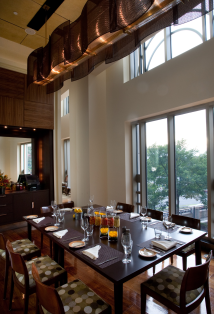
Dine beneath suspended clouds with farm-to-table fare at the eco-friendly Founding Farmers Restaurant. Owned by a consortium of American farmers, it features handcrafted cocktails and heartland cuisine in an ultra-modern setting beside the IMF. (wearefoundingfarmers.com)
Jordan Wright
January 2011
Special to The Alexandria Times
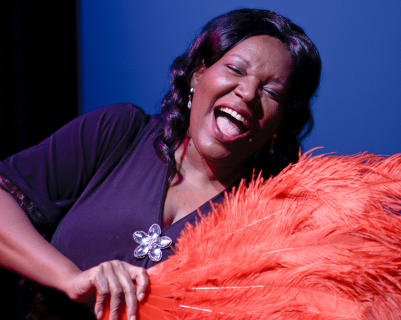
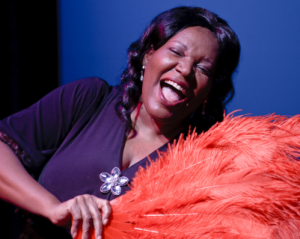 Bernardine Mitchell as Ethel Waters in His Eye is on the Sparrow at MetroStage photo credit: Colin Hovde “It’s important that the truth come out,” insists Bernardine Mitchell, star of His Eye is on the Sparrow, MetroStage’s production of the life and music of Ethel Waters. So why is it that so few know the story of this pioneering icon of American jazz and early black entertainment? Perhaps it’s because it is borne out of a bleak period in American history that carries with it the indelible stain of racism. And perhaps because it was during segregation, when touring black performers were forced to rent rooms in whorehouses or sleep in local stables, to find medical treatment in mental institutions when hospitals were not open to blacks, were refused service in restaurants, and were under constant threat of lynching in the KKK-dominated South.
His Eye is on the Sparrow, by playwright Larry Parr, is a powerful drama threaded throughout with the sassy, suggestive music from the early 1920’s, performed in blues and jazz venues like the legendary Cotton Club, and the uplifting gospel spirituals Waters learned in her youth. It showcases over 15 songs from “Frankie and Johnny” and the 1933 Rudy Vallee/Hoagy Carmichael classic, “Old Man Harlem”, to Fats Waller’s “Cabin in the Sky”, sung by Waters in the hit 1940’s Broadway musical of the same name. Much of Water’s own recordings, considered historically significant by the Grammy Hall of Fame and the Library of Congress and featuring such classics as “Am I Blue?”, “Stormy Weather” and “Dinah”, are included in the show’s repertoire.
The musical drama is based on the heartwrenching tale of Ethel Waters’ early life on Clifton Street in Philadelphia, growing up in what she refers to as a “whore’s alley” and sleeping on grates. Her life was circumscribed by a 13-year old mother, Ma Weasie, who brushed her off with the crack, “I birthed ya’. Ain’t that enough!”, and a grandmother who raised the illegitimate child to follow in her footsteps as a hotel maid. Later an cheating husband drove her into the streets where she began her singing career with the Negro vaudeville circuit known to outsiders as the Theatre Owners Booking Association but to the performers themselves as “Tough on Black Asses”.
Mitchell, who triumphed at MetroStage in another bio-musical, “Mahalia”, for which she won a Helen Hayes Award for her portrayal of gospel singer Mahalia Jackson, dons her roles like a second skin as her lush contralto voice and commanding presence take the audience on a journey of pain, triumph and redemption they are powerless to refuse. In this one-woman show, she channels Waters who despite being battered, disowned, scammed by agents and club owners, and left for dead, rises from the ashes of her trials and tribulations with her indomitable spirit and belief in God.
Waters continued her legacy with television (yes, she was Beulah in the show of that name), the Broadway stage, where she won the New York Drama Critics’ Circle Award for Member of the Wedding with Julie Harris, and ultimate induction into the Gospel Music Hall of Fame and Christian Hall of Fame after she joined the evangelist Billy Graham in the 1950’s on his worldwide crusades.
Contributing to the mood of the piece are Dawn Axam’s smooth choreography, Jessica Winfeld’s lighting design, particularly effective in creating evocative scenes of the Old South and in a strobe-like recreation of an early motion picture, as well as pianist William Knowles skillful jazz and ragtime accompaniment.
Jordan Wright
Special to The Washington Examiner
Crescent City Comfort Food Comes to Arlington
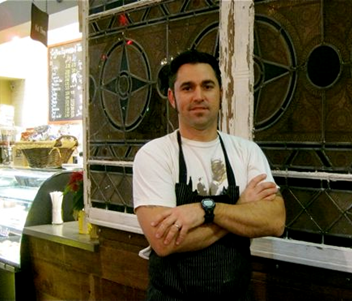
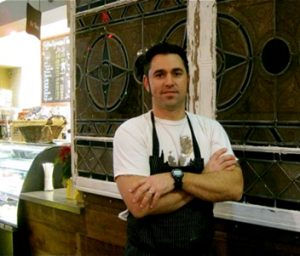 Chef/Owner David Guas at his new digs Bayou Bakery - photo by Jordan Wright Who dat on the corner of North Courthouse Road and 15th Street Arlington? Why, honey, it’s well-known Pastry Chef David Guas, his very own self behind the line in his new digs at Bayou Bakery. And, ohmylord, he’s cookin’ up gumbo and jambalaya and crawfish étouffée along with his scratch cakes and pralines.
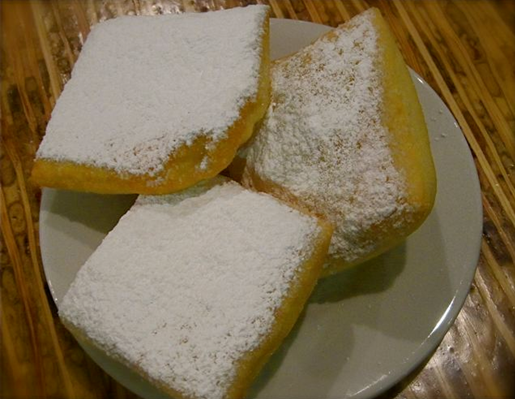
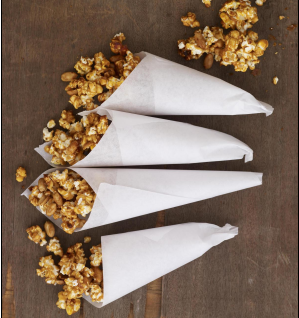
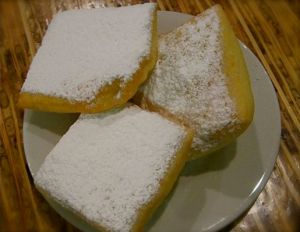 Hot and steamy beignets at Bayou Bakery - photo by Jordan Wright Tucked kitty-corner into an office building, the restaurant is a homey hangout where you can lounge on leather sofas or sit at formica-topped tables. Lots of affordable small plates like the pork and rice stuffed sausage, boudin, or the spicy pimento cheese…served Big Easy-style with Triscuits. For a quick pick me up there’s the chicory-infused café au lait to go alongside your straight-from-the-fryer sugar-dusted beignets. On your way out work your Crescent City mojo with a little paper bag of his “porKorn”. It’s peanut-caramel popcorn made with Allan Benton’s Tennessee bacon. Good night, Irene!
 porKorn - peanut-carmel popcorn - image by Jordan Wright Two For One On Connecticut Avenue
Connecticut Avenue’s little Bardeo and little Ardeo are together as one since the owner of both, Ashok Bajaj, heeded the call to “tear down that wall”. Now dubbed Ardeo + Bardeo. At last these conjoined twins are a single entity that better serves each. Now brick oven flatbreads, salt cod fritters and fontina-stuffed risotto balls can share space with the very elegant Pan-roasted Kingklip and Wagyu Flank Steak with white beets, Tuscan kale and salsa verde.
Tuscan Treasures Pair Up with Haute Cuisine
The prestigious Capital Wine Festival 2011 at the Fairfax Hotel at Embassy Row kicked off its second year with a reception last week showcasing wines from Italy, California and Oregon. It was an insider’s first tasting as some of these vintages will be featured in the upcoming wine dinners at the hotel. Poggio al Tesoro of Bolgheri and the San Polo Winery of Montalcino will kick off the first night of the 8-week series on February 2nd. The wineries’ legendary vintners, Marilisa Allegrini and Leonardo LoCascio guide the evening’s tasting and dinner with their super-Tuscan sangiovese and exquisite brunello.
Recent hire Mark Timms, Executive Chef at the hotel’s posh Jockey Club, will create the dinners for all eight evenings. Timms, who recently auditioned for Bravo’s upcoming Rocco DiSpirito cooking show, tells me he’s “excited to bring sexy fun back.” Must be a new vibe for the old guard hotel.
Celeb Chefs Share the Love
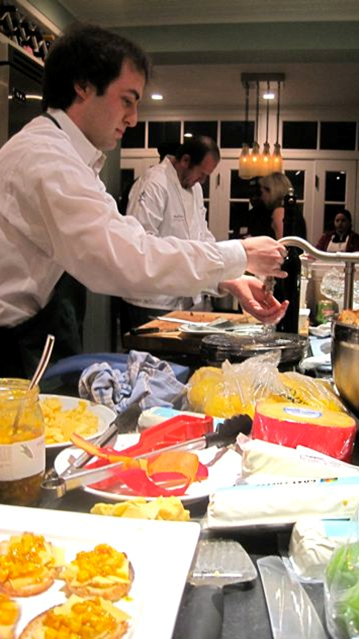
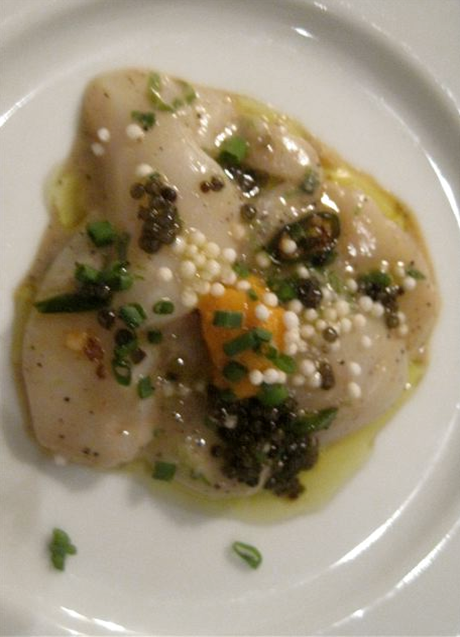
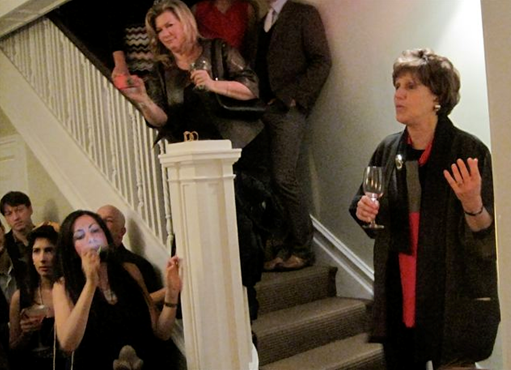
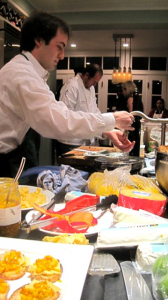 Back of the house - Volunteer chefs prepping for Saturday Night Sips - photo by Jordan Wright 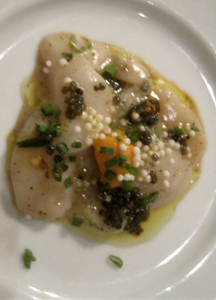 Truffled Scallop with sea urchin roe from Masa 14 at Saturday Night Sips - photo by Jordan Wright  Alice Waters shares the love at Saturday Night Sips - photo by Jordan Wright  Cookbook author and co-host of Saturday Night Sips Joan Nathan addresses the guests - photo by Jordan Wright Speaking of feeling the love, a pantheon of beloved chefs raised money for Martha’s Table and D.C. Central Kitchen. Alice Waters, food activist and gourmand, José Andrés, known for his bi-coastal collection of restaurants and PBS show, “Made in Spain”, and one of the country’s leading cookbook authors, unabashed Francophile and recipe historian Joan Nathan, invited some of the city’s most terrific chefs and mixologists to launch the first of their 15-series nights called “Saturday Night Sips” and “Sunday Night Suppers”.
Owen Thompson of Café Atlantico, Jeff Faile of Palena, Dan Searing of Room 11, and Gina Chersevani of PS7’s shook, blended, stirred and poured cocktails while tasty plates were created by Will Artley of Del Ray’s Evening Star, Antonio Burrell of Masa 14, K. Vinod of Indique Heights, Bourbon Steak’s new chef, Adam Sobel, Garret Fleming of Eatonville and Graham Bartlett of Zengo. Cheers to the Truffled Scallop Seviche with sea urchin roe and American paddlefish caviar with candied Thai chiles from Masa 14, and the Peter’s Point Oysters with homemade kimchee and soju vinaigrette from Michael Mina’s Bourbon Steak in the Four Seasons Georgetown.
“I think we’re in a place of changing the world,” said Waters addressing the cause-committed crowd. “All you have to do is connect.”
Irish Invasion Hits Shirlington
New kid on the block, Samuel Beckett’s Irish Gastro Pub in Shirlington had lines around the block last week at its hush-hush opening. Seems the neighborhood has been waiting for their unique Irish whiskies, Irish craft beers and bangers and mash since the opening was pushed back last year. The stunning space with gold leaf walls, three bars and a cozy library cum fireplace is currently serving a limited menu with lots of traditional dishes. And what owner Mark Kirwan calls “the new Irish Cuisine”, to round out the menu by February.
Will This Be the New Adams Morgan?
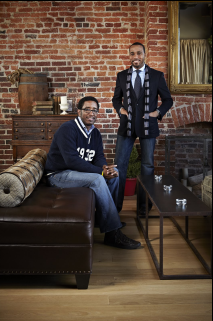 Managing Partner Miles Gray and GM Sheldon Robinson of Smith Commons - photo by Greg Powers Smith Commons has upped the ante in the Atlas District’s H Street Corridor with a three-story brick-walled dining room and public house. In a neighborhood known for late night get-your-groove-on hangouts like the H Street Country Club, The Red Palace, and Little Miss Whiskey’s Golden Dollar, Belgian chef Frederik De Pue has brought upscale international dining to this emerging quarter of the city. De Pue, who once worked under Alain Ducasse, opened Puro Café’s all-white South Beach-style patio in Georgetown this summer to rave reviews.
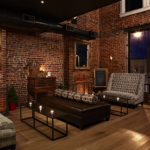 Smith Commons The beautifully restored warehouse, features a bar on every level serving both classic and modern cocktails. Sommelier Andrew Stover expertly presides over the wines, while owner Miles Gray steers the beer program that features over 40 craft beers from Canada, Belgium, Germany, Scotland, Italy and the US.
Recommended: Mushroom Cappuccino, a creamy soup of wild mushrooms and milk foam or the Sea Bass with grilled baby greens and balsamic basil dressing. Casual picks could be the Angus Beef or Crab Cake Sliders or Mango with Moulard, a salad with wok-sauteed mango and duck breast and green curry dressing.
Jordan Wright
January 2011
Special to The Alexandria Times
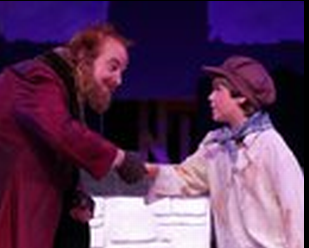 Mr. Bumble takes in Oliver - photo by Shane Canfield
That Lionel Bart’s “Oliver!” has huge universal appeal and relevancy today is not in question here. And though millions have seen this ubiquitously mounted musical on countless stages, in schools and community theatres around the world, millions more will. Since the spectacular score…sixteen memorable songs…plus a heart-strings pulling story, continues its reign as one of Britain’s most endearing theatre exports.
Our story opens with Oliver Twist, played by the adorable and fresh-faced James Woods as a homeless and penniless orphan wandering the mean streets of 19th Century London town. An orphan longing for a mother’s love, he lives amongst the thieves and scallywags that patrol the lawless warrens of the city. From this familiar Charles Dickens tale Bart crafted his iconic musical, drawing on themes of love, kindness, desperation and redemption to circumscribe the music.
To love Oliver is to have hope and it is well engendered on this stage by a captivating cast of workhouse urchins. These eleven fellow mop-topped orphans are precious to the max. Seeing so many cute children in tatters and newsboy caps swarming the stage and kicking up their heels is utterly irresistible. Quick! Where’s my runcible spoon? Never mind. We’re on meager rations here. In a memorable scene gruel-starved boys test the rules when Oliver boldly prevails upon Mr. Bumble for more slop in his bowl in the well-loved tune, “Food, Glorious Food”.
The young and talented James Woods (Oliver) carves out a convincing portrayal of the innocent child, whose life of imposed deception begins when he is tossed out of the workhouse and sold for a pittance to a couple of crafty undertakers, the dour Mr. and Mrs. Sowerberry. With approval from the greedy Mr. Bumble, they cast the piteous boy as a mute coffin-follower. In the lively ditty “That’s Your Funeral” they triumph their plans to have “mourners in all corners”, marking the start of poor Oliver’s downward spiral into crime.
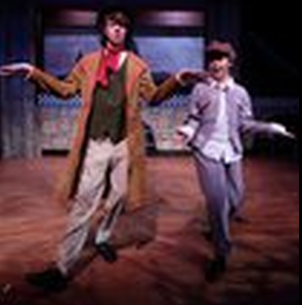
In the duet, “I Shall Scream” we enjoy Jeffrey Clarke’s roguishly seductive Mr. Bumble who is well matched to Mary Ayala-Bush’s come-hither Widow Corney, oozing coyness and feigned elusiveness to his flowery flirtation.
Soon Oliver meets up with the Artful Dodger, played with swagger and fresh snap by Ben Cherington. He lures the innocent lad into the clutches of the master crook, Fagin, whose hot house of bad boys is a veritable den of iniquity. The smarmy Fagin teaches Oliver to do his dirty work in “Pick and Pocket or Two” and we’re off to a riotous life of crime.
The success of this particular production is a tribute to the skill and direction of Roland Branford Gomez, who coaxes crack performances from the large cast. Fine choreography from Heide Zufall manages to put this passel load of moppets through their paces.
All the little pint-sized poppers claimed my heart, but seven-year-old Joseph Machosky, as the smallest orphan of the lot, took cheek and charm to new heights with double time dancing and a fierce energy on the stage.
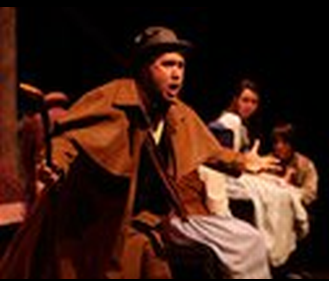
Only Maureen Rohn in the role of Nancy may have been miscast. Though she is a stunning actress with a pitch-perfect voice who portrays the sweet side of Nancy quite capably, it is the abused and broken Nancy that goes missing. In her ballad of despair “As Long as He Needs Me”, we are left without the passion, pride and fury needed to balance out this complex character.
The production features a 12-piece backstage-secreted orchestra and 33 cast members. Terrific performances by all the principals, especially Mike Baker Jr. as the nefarious and avaricious Fagin who brings a sinister dynamic to “Reviewing the Situation”, and Paul Caffrey as the misogynistic con artist Bill Sykes who cuts through the London fog with an interpretation of Sykes that drips with Mephistophelean evil.
All in all, this “Oliver!” deserves kudos as an engaging, energetic and splendiferous production.
Jordan Wright
January 2011
Special to the Washington Examiner and the San Francisco Examiner
 Cross-country skiing at the Vail Nordic Center - image by Cody Downerd  Cross country skiing at the Vail Nordic Center - image courtesy of Cody Downerd Straight out of the chute the coolest thing you’ll notice about Vail is that it’s a world-class ski resort without attitude, where status is measured in how many runs you packed in that morning or the cut of your stem christie. With its young, hip vibe and chic Tyrolean style, it appeals to both the adventure-minded thrill-seeker and the sophisticated traveler. As host to rarified-air athletes and celebs who relax and rehab in lavishly appointed hotels, spas and clinics (Lance Armstrong trains here along with top NHL, NBA and MLB players.), it is also perfectly suited to active families who prefer spending their quality time outdoors.
Adding to the fun is the mega-watt vibe from edgy-hip “boarders”, the surfers of the alpine world, who bunk ten-to-a-condo and speak in half pipe terms. That everyone shares the same turf, both on the slopes and after dark, is what makes Vail so appealing.
When you drive into Vail from reliably snow-cleared Interstate 70, the Bavarian-style village appears through the mist like Brigadoon. A visually impressive locale that consistently ranks as the number one ski resort in the US, everything is pleasantly accessible. You’ll find major hotels, restaurants and shops situated on or near a 1.3-mile oval road at the base of the mountains and served by public shuttles that make twelve strategic stops around the village every five minutes. In addition some hotels have private shuttles that chauffeur guests to their destinations. So after check-in, there is really no need to reacquaint yourself with your rent-a-car.
Riding the shuttle beats transportation at other winter resorts where navigating precipitous, icy and unfamiliar roads is the only way to get around. Here everyone’s in on the fun from entire bridal parties to skiers and boarders making their way to the lifts, and couples dressed to the nines out for a night on the town. Before long you’ll be clued in to trail conditions and sharing shopping tips with complete strangers.
Entering Vail Village across the sparkling Gore Creek and through the quaint covered bridge, the recent $1 billion dollar renaissance is everywhere. Streets and sidewalks have been replaced with heated cobblestone walkways, evoking Old World charm and providing safe pedestrian passage. And with 180 inches of cumulative snow so far this season it’s important to get to the slopes…and the shops…without a pre-trail tumble.
There is so much to do in Vail, even if you haven’t a mind to schuss down a snow-covered mountain at 60 mph. Take the heated glass-enclosed Vail Mountain gondola up to Adventure Ridge, a family-friendly destination that houses the Nature Discovery Center in a large green yurt, and check out the kid-sized snowmobiles, skiing and tubing. After enjoying spectacular 360° views of the surrounding Rocky mountains and seven magnificent back bowls beckoning to be conquered, you can pop in to Bistro Fourteen for drinks and relax with three-cheese fondue or buffalo carpaccio before riding the gondola or skiing your way back down into Lionshead Village.
 Ice Show at Solaris Ice Rink - image courtesy of Solaris  Bol at Solaris - Image courtesy of Solaris Back in the heart of Vail Village at the brand new Solaris Plaza is the stunning outdoor 6,500 square-foot Solaris Ice Rink. Designed by Denver artist and sculptor Lawrence Argent, it opened to the public last month with an ice show featuring world-class silver medalist, Patrick Chan. Also at Solaris is böl, a sleek scene-stealer of a bowling alley. With an eclectic menu, guest DJs, and cushy leather sofas, it offers over 100 wines, 30 specialty beers and artisanal cocktails. It was it one of five locations around the country for E!’s New Year’s Eve countdown. In the same complex is CinéBistro, a movie theatre where nibbles and sips are served seat-side. For indoor skating there’s the close-by Dobson Ice Arena where future Michelle Kwans can share the ice with national hockey players.
The Colorado Ski and Snowboard Museum Hall of Fame is a must-see with a small theatre showing archival footage of the rugged 10th Mountain Division training at local Camp Hale circa World War II in anticipation of guarding the nation’s borders. Exhibits reflect their influence on Colorado’s emergent ski industry and display artifacts from the early years of skiing and snowboarding.
In winter the town’s 18-hole golf course becomes the Vail Nordic Center where cross-country skiers have a 17-kilometer trail of set track, and there’s snowshoeing on 10 kilometers of natural beauty. Snowshoes and cross-country ski rentals are available on site. For snowboarding, skiing or ice climbing equipment rental or purchase, there’s the Bag and Pack Shop carrying apparel from Patagonia, North Face and Eagle Creek. Christy Sports is another good bet for everything else in sports gear.
Where to stay
 Vail Cascade Resort and Spa - image courtesy of the resort  The fire pit at Vail Cascade Resort and Spa - image courtesy of the hotel Vail Cascade Resort and Spa promotes itself as the only ski-in/ski-out resort in Vail. A spectacular property, it is rated a Top 20 World’s Best Family Hotel by Travel + Leisure and is Vail’s only AAA Four-Diamond ski resort providing condo and home rentals as well as hotel accommodations. The hotel recently enjoyed a $20 million facelift that included a new heated infinity pool and hot tubs overlooking Gore Creek. Be prepared for rooms that are small by comparison to other luxury resorts. Though they make up for that with the gorgeous Aria Spa and Club, and their state-of-the-art fitness center offering an indoor track and tennis courts, as well as indoor basketball and racquetball courts in 78,000 sq. ft. of recreation facilities.
Atwater on Gore Creek is the resort’s premier restaurant helmed by Chef Adam Votaw. Braised Lamb Gnocchi and hen of the woods mushrooms with chestnut velouté reflect the season along with Korabuta Tenderloin with cranberry red cabbage, pork belly and caraway spaetzle. Plan on making reservations well in advance as one evening a month the dining room is transformed into a romantic retreat when electric light is banished in favor of hundreds of candles. Later guests can gather beneath the stars to toast s’mores over the fire pit.
 The Arrabelle at Vail Square - image courtesy of RockResorts The Arabelle at Vail Square is a two-year-old posh property constructed in a rustic Austrian style. Spacious rooms with fireplaces and large bathrooms with jetted soaking tubs and personal concierges who attend to your every need make this magnificent resort in the heart of Vail Village very desirable. Also available are 25 private residences with fully equipped gourmet kitchens and up to five bedrooms. RockResorts Spa at the Arrabelle, a 10,000 sq. ft. complex, incorporates mountain essences like silver sage, mint, rosemary and juniper in its deluxe body and facial treatments.
 Four Seasons Resort Vail - image courtesy of Four Seasons The brand new Four Seasons Resort Vail opened its doors only last month. In addition to five-star luxury hotel rooms and suites the grand hotel also offers private residential rentals. Jason Harrison, formerly at the Bellagio in Las Vegas is the top toque at Flame Restaurant preparing aged steaks and earthy comfort foods like Slow-Braised Pot Roast with horseradish potatoes, French beans and cheddar biscuits, or Tea-Smoked Rack of Venison. Sides of broiled marrow or truffled Comté fritters would satisfy any frostbitten gourmand. On the lighter side sushi chefs prepare fresh sashimi, nigiri and specialty rolls to snack on in the hotel’s Fireside Lounge.
After a grueling day on the slopes the 75-meter heated pool with a view of Vail Mountain awaits. Saunas and steam rooms ease aching muscles, while at the spa the signature Ginseng Facial Treatment uses circulation-boosting jade rollers and sybarites can splurge on the Spirit of the Rockies Couples Body Treatment.
Kids get special attention too with child-size bathrobes and slippers and kid-friendly menus in all the restaurants. The resort will arrange every kind of winter activity imaginable including horse-drawn sleigh rides and even dog sledding.
More Dining in Vail
 The Bar at Kelly Liken - image by Jordan Wright Kelly Liken – Owned by celeb chef and namesake Kelly Liken, a contestant on Top Chef America and one of three finalists on Bravo’s Top Chef, this intimate and stylish modern space is one of the hottest tickets in town as evidenced by Liken’s loyal following. A small but well-chosen wine list by Liken’s husband and sommelier, Rick Colomitz, complements the inventive locally-sourced cuisine. Stand-out Maitre d’, Ricki Lane, is there to guide you through your choices. Don’t miss the Elk Carpaccio and the Potato Crusted Trout Filets typical of her Colorado cuisine. And opt for the signature cocktails made with Cap Rock Colorado Gin or Vodka.
 Larkspur's Wagyu Beef Carpaccio with truffle strips - image by Jordan Wright Larkspur – Hand-crafted cocktails and high-end gourmet cuisine are served in this softly-lit very swank spot in the Golden Peak area. Exquisite service, coupled with an incomparable wine list of 5,000 bottles from over 500 labels, signal serious destination dining. Recommended: Chef Armando Navarro’s Duo of Colorado Lamb with white beans, tomato confit and roasted artichoke and the Mediterranean Sea Bass with fennel purée, piperade, wild greens and tapenade. Anything deft mixologist Chris David conjures up is divine.
La Tour – Chef/Owner Paul Ferzacca’s and Executive Chef Chase Wilbanks’ French fare is innovative and delicious, consistently garnering rave reviews. This month restarts the six-course tasting menu and hugely successful “Bacon Dinners”, featuring different organic bacon from around the country. Specialties include Sautéed Red Ruby Trout with chanterelle mushrooms and Serrano ham with butternut squash ginger coulis, and Seafood Bouillabaisse with saffron risotto in a tomato fennel broth. This is where to find the best Crème Brulée and Chocolate Pot de Crème.
Terra Bistro – A pioneer in the green movement when they opened and eco-conscious to the max, this attractive restaurant features an all-natural mainly organic menu and a vibrant bar scene. Get an early start to the evening with their “Appy Hour”. Trendy fare includes the Tequila and Sage Chicken Tamale with caldo verde, salsa crudo and cucumber cream, and Muscovy Duck Breast with chipotle-chocolate fig sauce and cranberry bread stuffing.
The Tap Room – For young singles and scenemakers this get-your-groove-on hangout at the base of the mountain has casual fare and great hamburgers in a well-known Vail hot spot.
The Westside Café – Funky and eclectic. Where locals go for a hearty home-style breakfast any time of the day.
Samana Lounge – A Euro-inspired small club that starts the evening as an intimate lounge with live bands, and ends up a high-octane late night dance spot. Karaoke and international DJs keep it rocking till the wee hours.
Vendetta’s – This popular hangout is where you’ll rub shoulders with landed gentry locals and hyper bar-hoppers. Fine Italian cuisine on the first level, then climb the stairs for pizza and beer and a high-decibel scene.
Shopping
 Karats Vail - Heather Trub - Avid Design - Golden Rings Vail’s shops run the gamut from hot couture fashion to the hippest grunge snowboarder gear, to fine art and collectibles.
Karats Jewelry Gallery– One of Colorado’s best-known jewelers, owner Dan Telleen incorporates stunning exotica like ancient 2500 year-old Greek coins, 500 million-year-old trilobite fossils and even sinuous snake vertebrae with gold, silver and precious gems to craft his unique designer jewelry.
Pismo Contemporary Art Glass – Colorado’s largest collection of contemporary glass art and jewelry by both new and emerging artists and world-renowned glassblowers like Dale Chihuly.
 The Gorsuch store in Vail - image courtesy of Gorsuch Gorsuch – The premier apparel store for haute couture ski and après-ski clothing for men and women. With lines from Bogner, Roberto Cavalli, Botttega Veneta and so much more, this is the gold standard for ultra-chic looks both on the slopes and off.
 Art Glass at the Pismo Gallery - image by Jordan Wright Squash Blossom – Original fine art, bronze sculptures, one-of-a-kind jewelry, art glass and collectibles featuring international and local artists. Their other in-town location, The Cogswell Gallery is known for their beautiful collection of Native American beadwork, weavings, pottery and jewelry.
One Track Mind – The trendy destination for edgy snowboarder apparel and top-of-the-line equipment.
Thank you, loyal readers, for pursuing life’s intriguing adventures with Whisk and Quill in 2010. This December celebrates my third year as a food and travel writer and first year as a theatre reviewer, and it has been an astounding ride full of new friends, evocative memories and secrets revealed. And though my life has gravitated more to the keyboard than cooktop, to the frequent inquiries I say, “Yes! I still enjoy being a private chef.”
In this past year alone my features on food and travel have developed a bi-coastal readership that has rapidly grown from 86,000 “eyeballs” (industry-speak) to over 10 million! A figure quoted directly from one of my editors that baffles and amazes me daily.

Chefs, restaurants, farmers, vintners, caterers and new food products showcased on Whisk and Quill have garnered national attention, posh properties and spas have had their luxuries scrutinized or extolled, and theatre productions have been picked or panned – all without one single advertiser on Whisk and Quill’s website.
As we look ahead to up-and-comers like Greenville, SC’s Vicki Moore of The Lazy Goat; Colorado’s Top Chef finalist and restauranteur Kelly Liken; Charleston’s Sean Brock of McCrady’s and Husk; and veteran chefs like DC returnee, Fabio Trabocchi, all to be featured in the coming months, we offer our deepest gratitude to America’s top toques, Jose Andres, Anthony Bourdain, Eric Ripert, Joan Nathan and Laurent Tourondel who joined in the dialogue with us this past year.
So here’s to 2011 and another year of reporting to inspire, tempt and dazzle you to create your own journeys. Let’s drink a cuppa kindness for the auld year and blow those vuvuzelas for a scintillating and scrumptious New Year!
Warmest regards to all,
Jordan
|