|
|
Jordan Wright
December 20, 2010
Special to Alexandria Times
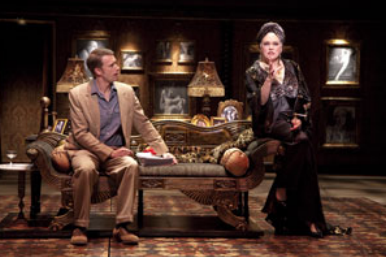
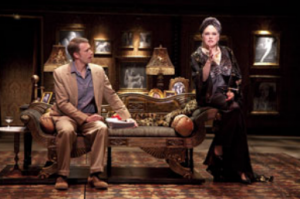 Florence Lacey (as Norma Desmond) discusses her opus screenplay of Salomé with D.B. Bonds (Joe Gillis) in Sunset Boulevard. At Virginia’s Signature Theatre through February 13, 2011. Photo: Scott Suchman Ah, the glory days of Hollywood and the all-powerful studio star system where actors and actresses (yes, they used the feminine designation then) were promoted, protected and molly-coddled. Lavish cars were at their disposal, restaurants catered to their every whim and movie magazines were full of 8×10 retouched photos of their glamorous and scandal-free lives. The one-foot-on-the-floor Hays rules were firmly in place and “commies” were found in Russia.
Set in that most golden of eras for the film industry, Andrew Lloyd Webber’s musical interpretation of the 1950 film, “Sunset Boulevard”, mirrors how the lives of its greatest stars could descend into an unrelenting maelstrom when the studios dropped them.
The plot centers around Norma Desmond an aging, washed-up actress cloistered in her decaying mansion on Sunset Boulevard with only her devoted butler Max to attend to her needs. Ed Dixon, who turns in a riveting version of Max as the grisly self-appointed “keeper of the flame”, embodies the spectral watchdog whose adoration of Norma and his dominion over her faded career, haunt her every move.
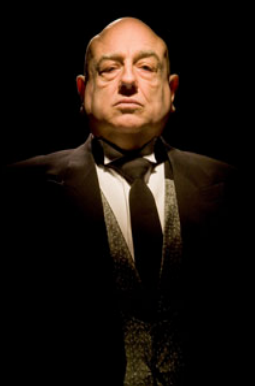
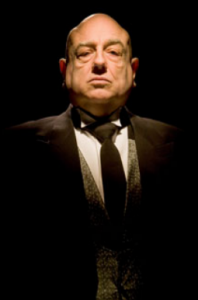 Ed Dixon plays servant, Max in Sunset Boulevard. At Virginia’s Signature Theatre through February 13, 2011. Photo: Chris Mueller. Desmond believes that a script she has written for herself will revive her career and return her to her adoring fans. “With one look I’ll be me, ” she asserts. Enter Joe Gillis, played by D. B. Bonds who brings a more relaxed yet sanguine approach to the role than did actor William Holden in the film version. Gillis is an out of work film hack with a repo’ed car and nothing to show for a few successful screenplays. He’s been around the block and knows when he gets the brush off. “I only wish I could help. This town is dead!” the studio tells him.
With his last script rebuffed he crumbles. “Get off your high horse!” Betty, the studio head’s secretary, played winningly by Susan Derry, tells him, “Writers with pride don’t live in LA.” She vows to help him rewrite the rejected script in order to get noticed.
Big productions deserve live music and the first thing that grabs you around the throat is the huge sound of the scrim-secluded 20-member orchestra who prepare the scene for an electrifying choreography of soundmen, lighting crew and exotic dancers “on set” for the all-powerful Hollywood director Cecil B. DeMille. It is powerful, it is flashy, and it dramatizes the third-tier men and women who labor behind the scenes to bring cinematic magic to the screen.
Webber’s version clings close to the original with a dialogue-heavy musical that revisits the film’s oft-quoted lines from Desmond. “All you wonderful people out there in the dark.” “And now Mr. DeMille, I’m ready for my close-up.” and “It’s a return, not a comeback.”
Musically the biggest numbers are from Norma with, “With Just one Look” and “As If We Never Said Goodbye” covered long ago by Barbra Streisand and Kiri TeKanawa. But there are some oddly placed and irritatingly sing-songy exchanges between the smitten Betty and her love-target, Joe, who seems clueless to her amorous overtures until Act Two. Is he a poor sap or a gigolo in thrall to two clingy tearful women? …one an over-the-hill cougar…the other an opportunist. In a duet Betty sings, “I think he’s confused.” to Joe’s, “I thought I had everything in place.” There are plenty of clichés to go around in this melodrama and each cast member has their fair share.
The film version has always been a camp classic, a forerunner of the horror genre typified by “What Ever Happened to Baby Jane?” that starred Bette Davis and Joan Crawford. In the same vein the role of Norma Desmond is a delicate balance of pathos and kitschy parody that must soften the two elements in order to be believable and sympathetic. The role calls for a great deal of subtlety and gravitas to pull it off.
I longed to tell you I found it here, yet saw it only in glimpses in Florence Lacey’s feathery light portrayal. And though she threads the needle of Norma’s psychotic delusions, I felt she fell short of the bravura necessary to own the role and dominate the dynamic.
Musically this is not one of Webber’s catchiest and most tuneful. Perhaps that is why actress Glenn Close’s New York/LA Norma could come off so well. Yet this “Sunset Boulevard” is a brave rendition handily aided by Set Designer Daniel Conway’s big stage sensibility and elegant style.
www.signature-theatre.org
Jordan Wright
December 2010
Special to the Washington Examiner and San Francisco Examiner
Charlottesville and The Piedmont
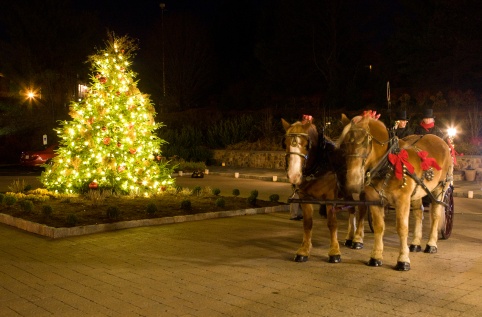
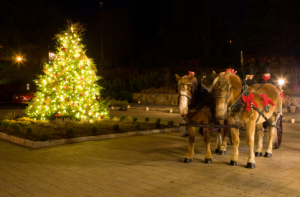 The Boar's Head Inn at Christmas - photo courtesy of the inn The Boar’s Head Inn is a perfect destination for couples or families. Horse and carriage rides with a Blue Ridge backdrop, breakfast with Santa, Christmas Dinner in the Old Mill and gingerbread workshops are some of the holiday activities to choose from. New Year’s Eve celebrations feature the Kings of Swing and Executive Chef Bill Justus’ lavish Virginia-centric menu offering choices like Braised Veal Cheek Ravioli with Wild Mushrooms, Porcini Marmalade and Leek Froth, Beef Carpaccio with Watercress, Arugula and White Truffle Oil, Lobster Consommé with Black Trumpet Mushrooms and Lobster Quenelles, and Stuffed Veal Chop with Foie Gras, Black Truffle, Fontina and Prosciutto with Chestnut Spaetzle and Brussels Sprouts. Desserts will wow with Green Apple Terrine with Vanilla Bean Sponge and Mascarpone Sabayon, and Milk Chocolate Gateau with Chocolate Mousse, Kettle Corn and Banana Rum Ice Cream.
For a special treat the “Radio City Christmas Spectacular Package” includes dinner, overnight stay and tickets to see The Rockettes perform in nearby Charlottesville. Luxuriate in the full-service spa or hit the state-of-the-art fitness center and sports club offering indoor tennis and dozens of classes in zumba, yoga and kickboxing.
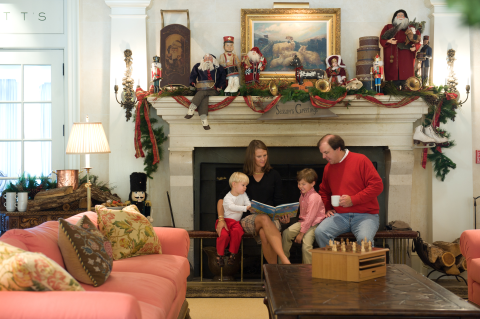
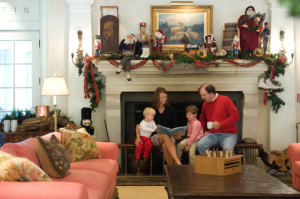 Christmas at Keswick Hall - photo courtesy of the inn Keswick Hall’s 48-room Tuscan-style villa sets the gold standard for luxury country inns in Virginia. Enjoy underwater music in the outdoor heated pool, beauty treatments in the spa and fitness facilities, or just relax in the 400-volume library and Tea Room with antique snooker table. In the evenings chestnuts will roast and s’mores will melt on an open fire. Ladle creamy hot chocolate from a copper pot beside the grand fireplace in the hotel’s spacious lobby. On Christmas Eve there’s caroling and a special holiday Sunday Brunch is served throughout December.
Christmas dinner at Fossett’s offers plenty of choices from recently named “Rising Star Chef”, Dean Maupin. Indulge in his Maine lobster bisque, Osetra caviar, seared foie gras, Wagyu beef, Rack of Fluvanna County lamb or Carolina Flounder. For dessert traditional Buche de Noel beckons, as does an over-the-top version of Sticky Toffee Pudding.
At the nearby Barboursville Winery’s upscale Palladio Restaurant Executive Chef Melissa Close Hart, who has prepared many a meal at New York’s James Beard House, cooks her delicate version of Northern Italian cuisine that pairs brilliantly with the estate’s wines. Most products are sourced from local farms and the exquisite pasta is house made.
While staying in the area view Colonial holiday decorations at nearby Montpelier, the home of James Madison, and at Monticello, Thomas Jefferson’s house and gardens. For ski and snowboarding facilities Wintergreen Resort is about an hour’s drive away.
www.boarsheadinn.com
www.keswick.com
www.barboursvillewine.net
www.montpelier.org
www.monticello.org
On Maryland’s Eastern Shore
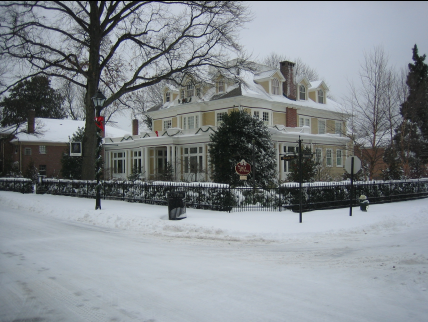
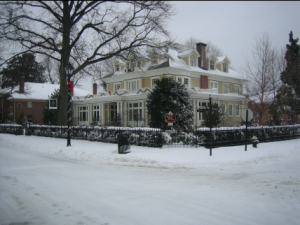 The Inn at 202 Dover - photo courtesy of the inn The Inn at 202 Dover in Easton, MD is certainly one of the most stunning mansions on the Eastern Shore. Boasting five-star luxury appointments, an elegant library, glass conservatory and antique-filled rooms, it has only five suites, each a private themed retreat with six-foot jetted Jacuzzis and in-room saunas and gas fireplaces.
Ron and Shelby Mitchell, transplanted New Yorkers, have brought a sophisticated dynamic to the art of innkeeping. On New Year’s Eve guests will be dancing to DC music man Joe Holt and singer Beth MacDonald following a five-course dinner in the intimate Peacock Restaurant prepared by the inn’s Cordon Bleu-trained Chef Mark Knipp, formerly Chef de Partie at The Inn at Little Washington. They’ll have a four-course dinner with dishes like Poached Carolina Flounder with Sun-dried Tomato Meyer Lemon Risotto, Roast Duckling Gabor with Chestnuts with Pistachios, Vanilla-Poached Lobster with Truffled Root Vegetables, Tournedos of Beef Tenderloin with Truffle Mushroom Port Jus and Cippolino Onion and Potato Puree. Dessert is a decadent Chocolate Flourless Torte with Chambord and Chantilly Cream.
Convivial young hosts, Jordan and Alice Lloyd opened the Bartlett Pear Inn in a 220-year old home in Easton, MD. Jordan, who trained with French chef extraordinaire Michel Richard at Citronelle and Thomas Keller at New York’s Per Se, emerged with his own style, reworking classic dishes with a clean finish. The small bar has become a big draw among upscale locals, but the food is the main draw at this very pretty pear-themed property in Easton, MD. New Year’s Eve dinner features a five-course dinner. Roasted Chestnut Soup with Duck Leg Confit, Truffled Maitake Mushroom Velouté Fricassee, Chicken Ballotine with Truffled Sweetbreads, Roasted Apple and Madeira Wine Jus, Braised Beef Short Ribs with Potato Agnolotti are a few of the choices on this elegant menu that finishes with Bûche de Nöel, Pavlova with Pomegranate Sorbet or Valrhona Hot Chocolate with house made Sugar Doughnuts.
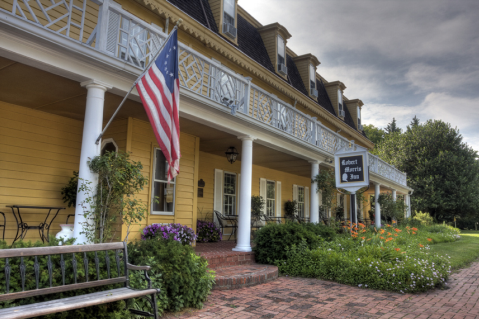
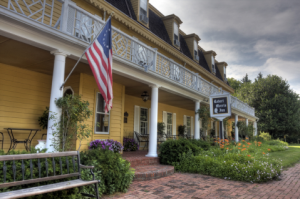 The Robert Morris Inn - photo courtesy of the inn In Oxford, MD America’s oldest inn dates back to 1710. This year the historic Robert Morris Inn, recently purchased by British hotelier, Ian Fleming, celebrates 300 years in operation. In period-inspired guest rooms you can channel your inner James Michener…he outlined his sweeping saga “Chesapeake” here overlooking the Tred Avon River.
On Christmas Day renowned international chef and proprietor Mark Salter will serve an eclectic menu of favorites culled from his background in Welsh, Scottish, British and French cuisine with dishes like Potato Soup with Lobster and Chives, Oysters Rockefeller with Spinach, Bacon and Parmesan Cheese, Chicken Liver Parfait with Beet Apple Chutney and Toasted Brioche, Seared Scallops with char-grilled Red Onion, Scottish Salmon with French Lentils and Kale, Smoked Bacon and Five-Onion Sauce, Pennsylvania Dutch Turkey and Baked Ham with Sage, Onion and Chestnut stuffing, Grilled Tenderloin of Beef with layered Goat Cheese and Potato and Truffled Celery Root Purée with Madeira-Black Pepper Jus. Desserts beckon with a traditional Christmas Pudding, Caramelized Apple and Frangipane Tart and Milk Chocolate Crème Brûlée with Hazelnut Shortbread. A jazz band accompanies the lavish five-course The New Year’s Eve dinner beginning with champagne and canapés.
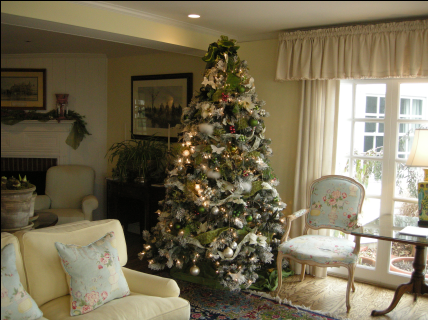
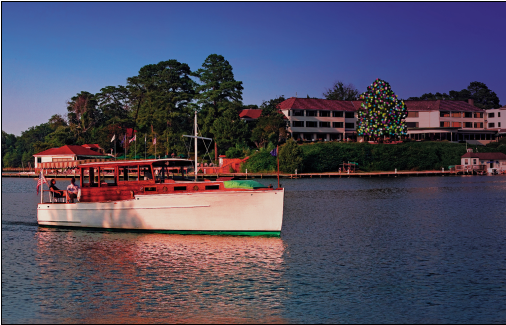
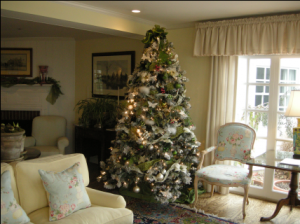 Christmas tree at The Inn at Perry Cabin - photo courtesy of the inn The Inn at Perry Cabin is a magnificent destination resort with a chic nautical look reminiscent of the Ralph Lauren style. It overlooks the Miles River within walking distance of the Victorian village of St. Michael’s, MD. Executive Chef Greg Brandberg, who earned his stripes under Lydia Bastianich and Iron Chef Masaharu Morimoto, brings an Eastern Shore sensibility. Brandberg plans a sumptuous Christmas feast that includes, Yellow Fin Tuna and Local Crab, Maine Lobster Bisque and Oysters Rockefeller, Grilled Scottish Salmon with Port Wine Glaze, Herb Roasted Beef Tenderloin and Juniper-Scented Braised Pork.
The inn’s New Year’s Eve gala features Herb Stuffed Pheasant Roulade, Atlantic Halibut with Black Trumpet Mushrooms, and Beef Wellington plus a ballroom dedicated to divine desserts made by Pastry Chef Elise Broz who will ring in the New Year by featuring over 20 different delectable sweets. The ten-piece Eric Felten Jazz Orchestra will play big band standards á la Cole Porter, Duke Ellington and Gershwin. How romantic!
Throughout December horse-drawn wagons ferry passengers around historic downtown Easton, and on New Year’s Eve the town hosts “First Night Talbot” with a parade of sea creature puppets led by a giant mermaid. Bands, gospel choirs, jugglers and scads of other family-friendly acts perform around town culminating in fireworks and a countdown to the kitschy, must-see “Crab Drop”.
The beautifully restored Avalon Theatre in downtown Easton plays host over the holidays to a Messiah Sing In night and DC’s Eric Byrd Trio doing “A Charlie Brown Christmas”.
www.innat202dover.com
www.bartlettpearinn.com
www.robertmorrisinn.com
www.perrycabin.com
www.theavalon.org
www.easternshore.com/firstnighttalbot
On Virginia’s Northern Neck
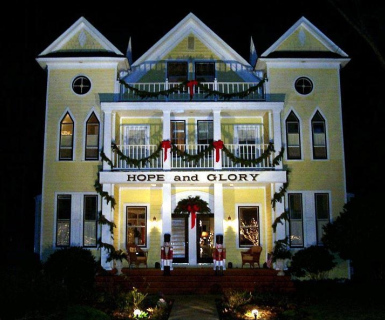
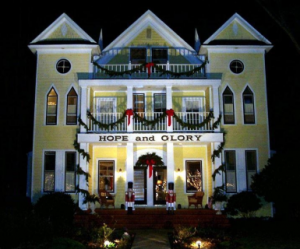 The Hope and Glory Inn - photo courtesy of the inn The Hope and Glory in the tiny town of Irvington, VA is a circa 1890 former schoolhouse now bed and breakfast, whose proprietors Dudley and Peggy Patteson encourage its guests to talk amongst themselves. With a zinc-topped bar encourages collegial truancy it sports No. 2 pencils and black-and-white composition books to write down your drink order. A large reception area with desks, chess boards and a welcoming fireplace offers itself up for reading a book, sipping a cocktail or meeting your fellow travelers.
The harvest table prompts guests to share their adventures at their wonderful breakfast. Painted furniture, overstuffed chairs and antiques mix chock-a-block with stylish décor in an irreverent elegance. No frilly doilies or tea cozies here. It feels just like home…decorated by Aunt Martha Stewart.
Since dinner is not available at the inn the hip Nate’s Trick Dog Restaurant, which had its ups and downs in the past, has bounced back with new chef-to-watch Nate Myers, who along with his wife Courtney have recently resurrected the cool vibe and eclectic food.
Look for creative and deliciously memorable cuisine driven by bold fusion flavors. Myers will serve a couples-oriented holiday menu for Christmas Eve, New Year’s Eve and New Year’s Day with classic French dishes like Cassoulet, Chateaubriand, and a deconstructed Beef Wellington.
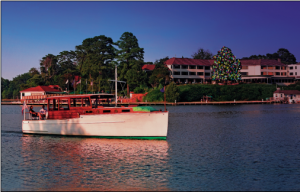 The Tides Inn at Christmas - photo courtesy of The Tides Inn Also in Irvington The Tides Inn is one of the country’s most distinctive resorts. Four generations of the Stephens family have been welcoming both DC area and international guests to the hotel’s 106 rooms and suites since 1947 by yacht or motorcar to this quietly luxurious top-drawer destination on Virginia’s Northern Neck. Chef Thomas Flynn plans several different four-course dinners for Christmas Eve, Christmas Day and New Year’s Eve. A few choices are the Rappahannock Oysters with pickled watermelon salsa and Tamarind Ginger Sauce, She-Crab Soup, Herb Roasted Chesapeake Bay Rockfish, Pecan Crusted Rack of Lamb with Cranberry Gastrique and always their famous Crab Cakes. Desserts range from White Chocolate Crème Brûlée to Triple Chocolate Bread Pudding. Be sure to book an appointment to enjoy the posh spa.
www.hopeandglory.com
www.trickdogcafe.com
www.tidesinn.com
In Richmond
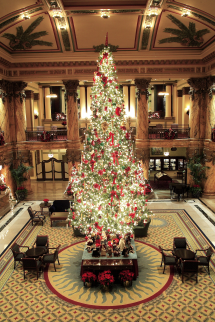
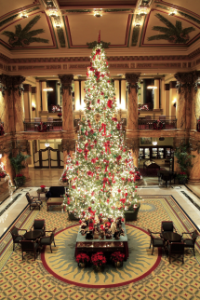 The lobby of The Jefferson Hotel - photo courtesy of the hotel The Jefferson Hotel is one of the nation’s most spectacular historic properties. Built in 1895 to compete with Europe’s most magnificent hotels, everything about it spells graciousness and grandeur. Executive Chef Walter Bundy, who trained with Mark Miller in Santa Fe and Thomas Keller in the Napa Valley, grows herbs in the hotel’s garden and includes a myriad of gorgeous vegetables with his main dishes. He will be serving such delicious offerings as Bourbon Braised Ayrshire Farm Pork Belly with Apple Cider Gastrique, Diver Scallops with Ginger Infused Vanilla Bean Orange Butter, and Loch Duart Salmon with Spicy Spaghetti Squash, Edwards & Sons Surryano Ham and Cauliflower Coulis. Desserts are unique and non-traditional – Peanut Butter Semifreddo with Dark Chocolate Ganache, Pumpkin and Chocolate Chip Bread Pudding with Bourbon Anglaise and Pumpkin Seed Tuile, and a Pear Raisin Cobbler. If you are there for the weekend be sure to enjoy the spoon bread at their legendary Sunday brunch served in the Rotunda beneath soaring 70-foot ceilings. Tweaked and lightened up Southern classics like Surry County Sausage Stuffing, Jamerson Farms Brunswick Stew, and Jefferson Spoonbread share space with all the other fabulous brunch items.
While in town catch the Richmond Ballet’s Nutcracker, hop a free ride on the horse-drawn sleigh rides around Carytown, visit the newly renovated Virginia Museum of Fine Arts open 365 days of the year including free access to their exhibitions on Christmas Day, and see the festive display of lights at the Lewis Ginter Botanical Gardens.
www.jeffersonhotel.com
www.vmfa.state.va.us
www.lewisginter.org
www.richmondballet.com
Jordan Wright
December 7, 2010
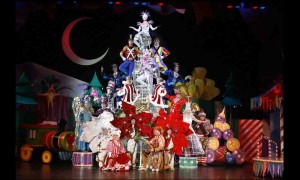 Cirque Dreams The litmus test for success of a glittery, shimmery holiday extravaganza is if kids will like it. So to that end I brought my own kid barometer. Twelve years old and well acquainted with large stage productions he brings his built–in cool meter and preteen insider radar.
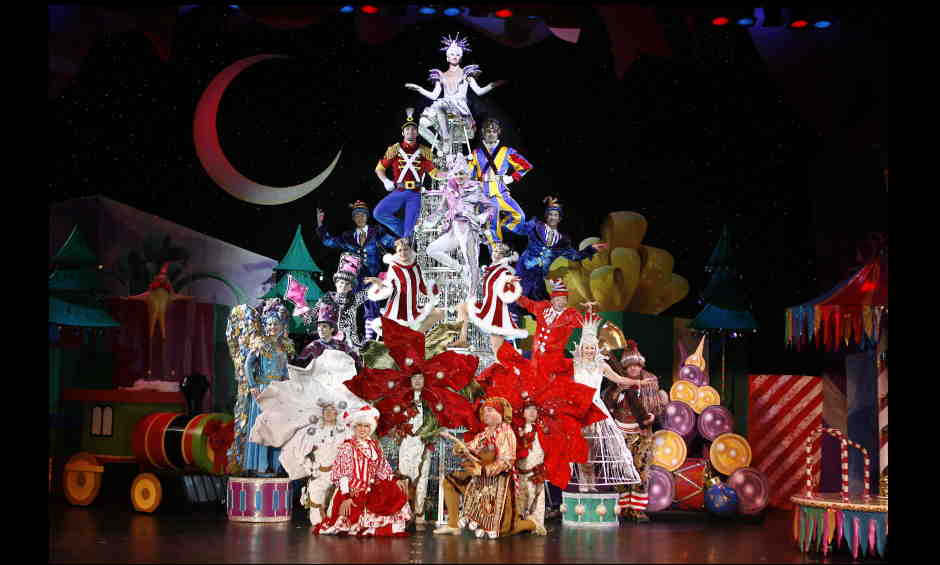
As the houselights dimmed and the curtain rose to reveal a stage full of Christmas lights and a thirty-foot crystal Christmas tree I watched out of the corner of my eye as my cool dude gasped, cheered, whooped, applauded wildly, “Let’s clap to the beat!” he begged, and sat on the edge of his seat breathless with anticipation and flat-out astonishment. With every new jaw-dropping act he asked, “Did you see that?” or “How did they do that?” “Yes! Wow! I don’t know!” I replied catching my breath too.
Put aside your old-fashioned notions of retro Christmas shows, here’s what you can expect to come at you in warp-speed. Performers of every stripe from five continents, spectacular juggling, tumbling and stupefying acrobatics from Chinese synchronized cyclists. Countless dazzling costume changes on sets replete with giant presents, gingerbread houses, tin soldiers and a silvery moon will leave checking your own reality. Everything is bigger than life and way, way over-the-top.
Together we marveled at a pigtailed pixie gymnast and a miniature gingerbread boy with an elastic spine who spins faster than a gyroscope on a sugar high. There are gravity-defying icemen performing one-handed human lifts, a gaggle of jump-ropers who contrive the most intricate ins and outs never seen before, a tightrope walker on a unicycle who juggles giant thimbles and a mime with a knack for conducting who has folks in the audience ringing cowbells to his silent frenzied gesticulations. And that’s not even the half of it.
Throughout there is a heart-pounding score and soaring vocals from a Ziegfeld-style ice queen, a blue angel and a razzmatazz version of Dickens replete with feisty elves. It is flat out crazy fun and full of the holiday spirit.
Producer Neil Goldberg, whose imaginative company Cirque Productions has created fantasies for major theatres, casinos and tours including the Superbowl, Disney, Busch Gardens, MGM, Caesar’s, Bally and NBC, CBS, ABC, comes off his recent success on Broadway for Cirque Dreams Jungle Fantasy. This show is the start of their National Tour and runs till December 12th.
For tickets phone 202 467-4600 or visit www.kennedy-center.org.
Jordan Wright
December 6, 2010
 Kevin Harr (Jacob Marley’s Ghost), Steve Izant (Ebenezer Scrooge), and Kathleen Lovain (Young Jacob Marley’s Ghost) Far be it from me to play the Grinch with Charles Dickens’ classic Christmas tale. But it’s clear from the opening scenes of “Mrs. Bob Cratchit’s Wild Christmas Binge” at The Little Theatre of Alexandria that there is no binge coming, unless you count Gladys Cratchit’s suicide attempts by leaping into the Thames River as holiday fancy. And there is nothing wild that will ever unfold, unless your idea of that notion is twenty children locked in a cellar with a single raw fish as nourishment.
 Steve Izant (Ebenezer Scrooge) and Maria Simpkins (The Ghost of Christmas Past) What you have here is a mess from the get-go that has no business being on a legitimate stage. Off-key singing, stilted acting, a slog-of-a-script largely untouched by actual humor. The barbs are countless and dated. Scrooge in partnership with Enron’s Kenneth Lay, handicapped children (Ghost to Tiny Tim: “He’s so cute and small and gimpy.” Mrs. Cratchit to Tiny Tim: “Are you blind as well as cripple?”) Tourette’s Syndrome jokes, miscasting, lack of sound effects or musical transitions during dark set changes and mumbling children (Unquotable due to inability to decipher the muffled code.). Add to that awkward choreography, afterthought set design and costumes that had a better life at the Goodwill.
 Maria Simpkins (The Ghost of Christmas Past), Steve Izant (Ebenezer Scrooge), Kathleen Lovain (Cratchit Child 1), Aimee Meher-Homji (Gladys Cratchit), Julian Worth (Cratchit Child 2) (Front) James Senavitis (Bob Cratchit) and Peter Johnson (Tiny Tim) Dear Theatregoers, it is only through my commitment to you to witness every shard of any play I review to its glorious, or in this case most inglorious, denouement that stopped me from the pleasure I would have had if I’d been able to exit after the opening ten minutes. But I stayed glued to my seat till the end with the dysfunctional Cratchits (The children, who Mrs. Cratchit refuses to give names to, get a certain fast food chain’s Happy Meals for Christmas dinner while she goes off to become Leona Helmsley. Does anyone even remember her?)
 Aimee Meher-Homji (Gladys Cratchit), Gary Stephans (Bartender), Kevin Harr (Gentleman in Bar), and Geoff Baskir (Gentleman in Bar) The only redeeming social value from this dreary production is a death-defying rescue by actress, Maria Simpkins, playing the Ghosts of Christmas Past, Present and Future. Sign me up to be the first in line wherever she pops up next as long as she’s not singing. Simpkins’ lightening fast delivery, coupled with her ace comedic timing and talent, should be featured in a solo show without the ghostly shackles of such a dismal play and cast.
For tickets call 703 683-0496 or visit www.TheLittleTheatre.com.
“Mrs. Bob Cratchit’s Wild Christmas Binge” runs from November 26th till December 18th.
A Christmas Carol
The Little Theatre of Alexandria
Jordan Wright
December 6, 2010
 (L to R) Maya Brettell, Natalie Turkevich, Aaron Lewis, and Shawn Perry As interpreted by Donna Ferragut “A Christmas Carol” currently playing at The Little Theatre of Alexandria is an American love letter to Charles Dickens’ treasured story of the haunting and self-redemption of the miserly moneylender Ebenezer Scrooge. Adapted for the stage by Ferragut and drawn from the original text, it gives us a portrait of mid-century nineteenth England.
Set in London Town during the Christmas season this charmingly mounted production evokes Harper’s Weekly lithographs of elegant skating parties and Victorian parlors filled with ladies in rustling silks and gentlemen in their cravats. It opens with a picture postcard of a chorus in period finery singing “God Rest Ye Merry Gentlemen” and the tone is set for an intelligent rendition of the iconic novella filled with songs of the day.
 (L to R) Clare Baker (Juliet Wilkins), Holden Brettell (Boy Scrooge), Melissa Ledesma-Leese (Christmas Past), and Philip Baedecker (Scrooge) Straight away you are alerted to the superb acting and direction with a captivating cast led by Phillip Baedecker as Scrooge…his dark and grisly delivery of “Bah Humbug” sets your spine on edge from the start. In a warning the townspeople refer to the curmudgeon-on-a-mission as “solitary as an oyster” and warn all “to keep their distance”.
Larry Grey’s portrayal of the humble, obsequious clerk, Bob Cratchit, is a study in restraint and we are lulled with posed vignettes of his adoring wife, cheerful beribboned daughters and the crippled Tiny Tim, played by the adorable Benjamin Leese.
 (L to R) Philip Baedecker (Scrooge), Larry Grey (Bob Cratchit), and Benjamin Leese (Tiny Tim) In this world of wassailing Ebenezer’s nephew, Fred, played by another local top-notch actor Brandon DeGroat who plays six other roles here, gathers with his wife and friends around the Christmas tree. It was during these times that the tree, as the symbol of Christmas, had just been introduced by Queen Victoria’s consort Prince Albert as a new holiday tradition. With mistletoe kissing games and caroling the young couples portray our ideal picture of the season.
Yet the Ghosts of Christmas Past, Present and Future arrive to interrupt the proceedings with supernatural aplomb as they haunt the dreams of old Ebenezer. Melissa Ledsma-Leese, Dru Hodges and Shawn Perry bring a credible spookiness and gravitas to their roles and the lighting and eerie miasma set the unearthly tone for their visitations.
When Scrooge realizes his failings, “Why did I walk through crowds of my fellow human being with eyes downcast?” we embrace the true spirit of Christmas along with him. Enjoy this nostalgic tale with a top-drawer cast.
For tickets call 703 683-0496 or visit www.TheLittleTheatre.com.
“A Christmas Carol” runs from December 3rd till December 12th.
Jordan Wright
December 2010
Special to the Washington Examiner and San Francisco Examiner
This year brought the usual Food Network celeb cookbooks, “The Barefoot Contessa How Easy Is That?” (Random House) by Ina Garten, Rachel Ray’s “Look and Cook” (Clarkson Potter), Giada De Laurentiis’ “Giada at Home: Family Recipes From Italy and California” (Crown), and “Tyler Florence Family Meal” (Rodale Books). PBS gave us Eric Ripert with “Avec Eric” (Wiley). The book follows Ripert’s journeys through France, Italy, California and the Grand Caymans and is based on the show of the same name. Also from PBS and based on the TV series “Cooks Illustrated”, we read over 350 pages of “The America’s Test Kitchen Cookbook” (Boston Common Press). Well not read…but gleaned for future reference. From The New York Times we hoisted a weighty compendium of 1400 recipes culled from their voluminous archives. Amanda Hesser’s “The Essential New York Times Cookbook” (Norton) reflects 150 years of the classics with a few new spins. It’s a keeper culled from the country’s most distinguished food writers.
Intriguing books, curiously unnecessary books, and books with practical yet grisly techniques continued to pour in throughout the year. We were instructed in how to butcher our own pig in “Cleaving: A Story of Marriage, Meat and Obsession” (Little, Brown) by Julie Powers; how to drink wine like a pro in “Secrets of the Sommeliers” (Ten Speed Press) by Rajat Parr a terrific read and on Kindle too; and the complex chemistry of baking in “How Baking Works” (Wiley) by Paula Figoni, a comprehensive textbook for professional bakers that includes in-depth reviews, discussion topics for the hard-core, and experiments that unfortunately add up to a book drier than a cup of corn starch.
This year there’s even an app for your iPhone or iPad from Mark Bittman. With 2,000 recipes, meal-planning ideas and 400 photos, his “How To Cook Everything” (Wiley) is at your fingertips for $1.99. Now that’s a bargain I can’t refuse.
But along with some culinary chaff came the heart of the grain, the bone’s marrow, the pan’s drippings. In revelations, anthologies, and flat-out edgy innovations by chefs and traveling food writers that bring wisdom and light to the process, there is true inspiration for us all…the inspiration to approach our kitchens with a commanding and steady posture and cook like a whirligig with a whisk.
Here’s a list of 2010 cookbooks that should be on your gift list or if you subscribe to the one-for-me-one-for-you approach to holiday shopping and I do, on the shelf in your personal library.
Baking
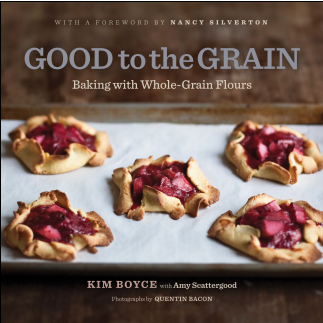
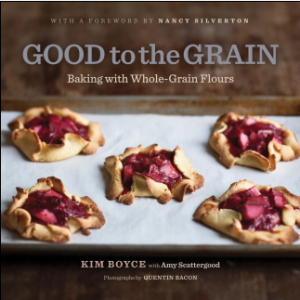 Good to the Grain - Kim Boyce Kim Boyce’s “Good to the Grain” (Stewart, Tabori & Chang) – A lushly beautiful book by a former pastry chef at Spago and Campanile in LA and contributor to Bon Appetit, Boyce incorporates whole-grain flours in all her baking. Working with barley, kamut, amaranth, quinoa, buckwheat and other hearty grains to create recipes like Pear and Buckwheat Pancakes, Apricot Boysenberry Tarts made with rye flour, and Ginger Peach Muffins made with oat flour. She’s even figured out a way to get wheat flour not to toughen up in the baking process.
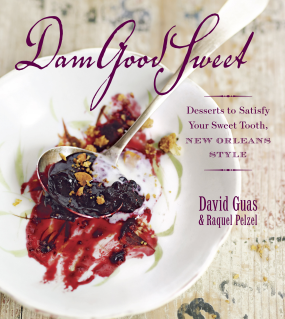
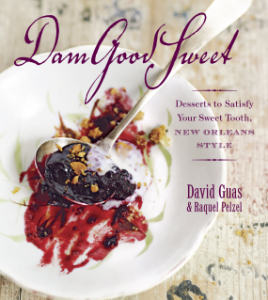 Dam Good Sweet - David Guas I love a book by a chef who knows their ingredients, lore and territory. In David Guas’ “Dam, Good Sweet” (Taunton) written with Raquel Pelzel, he corrals them all with his memories of his growing up in Louisiana. Memories of “Nanny”, his great-aunt on Aunt Boo’s side of the family, and her mayhaw preserves; pickin’ pecans off the ground in New Orleans’ Elysian Fields with Granny, and reminiscing about McKenzie’s Pastry Shoppe and their familiar chocolate-covered turtles, inform his stories. But it’s his old school N’awlins recipes like Buttermilk Beignets and Bananas Foster along with newer creations like Lemon-Herbsaint Poppers made with the New Orleans anise-flavored liqueur and Ponchatoula Strawberry & Brown Butter Shortcake that’ll have you breaking out your rolling pin in no time. Guas has recently opened Bayou Bakery Coffee Bar and Eatery in Arlington so you can taste the goods before you buy the book.
Local lawyer-turned-baker-turned-entrepreneur, Warren Brown owns seven CakeLove bakeries in our area. In his second cookbook, “United Cakes of America” (Stewart, Tabori & Chang), Brown takes us on a cake baker’s journey to all 50 states plus Puerto Rico (Rum Cake) and DC (Cherry Trifle). From Mississippi he gives us Mud Cake; from Maine, Whoopie Pies; from Virginia, a Pineapple Upside-Down Cake in a skillet; from Georgia, Coca Cola Cake; and for all you cupcake fans, Avocado Cupcakes from California. Your Cousin Mary’s state cake will be in here too and there are plenty of useful tips from this experienced baker even for those who have just discovered their ovens.
“Baked Explorations” (Stewart, Tabori & Chang) by former admen and partners in the Brooklyn, NY bakery they call Baked, Matt Lewis and Renato Poliafito have upped the ante with their latest collection of classic American desserts reinvented. In this book they tease you with Caramel Apple Cake, torment you with Almond Joy Tart, and lure you with Aunt Sassy Cake made with pistachios and iced with Honey Vanilla Buttercream. The wildly popular duo, the darlings of Oprah and Martha Stewart, reveal their highly sought-after recipe for their famous Sweet & Salty Brownies. As for me, I’ll make the Caramel Popcorn with Peanuts and Chocolate for this year’s at-home Oscar night party.
Ethnic and Regional Cuisine
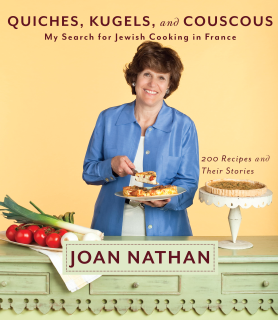
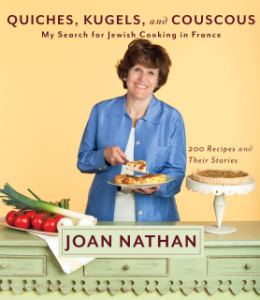 Quiches, Kugels and Couscous - Joan Nathan Doyenne of Jewish cookery and lover of all things French, acclaimed Washington DC author, Joan Nathan, combines the two in her eleventh cookbook, “Quiches, Kugels and Couscous: My Search for Jewish Cooking in France” (Knopf). Nathan prepares the reader by providing centuries-old historical context for the creation, preservation and tradition of Jewish cookery in France. Thankfully the book offers far more than the catchy three-dish alliterative title suggests to the reader. Among the more than 200 recipes that have their origin in Spain, Morocco, Portugal, Germany and the Mediterranean, you’ll find such gems as Paul Bocuse’s Black Truffle Soup Elysée, tweaked by Nathan’s kosher re-interpretation; Baba au Rhum from the tiny 16-seat restaurant, Les Arômes outside of Marseilles; and a recipe for a hearty Alsatian Choucroute from a doctor in Strasbourg. This is the sort of treasured cookbook writing that will inspire home cooks to experience Jewish food and its culture.
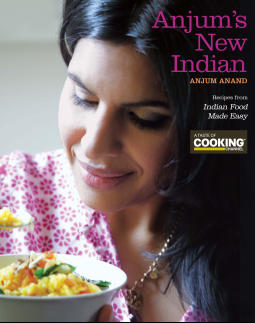
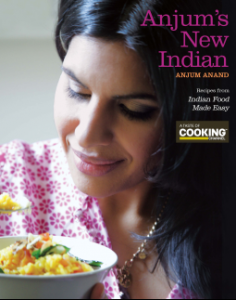 Anjum's New Indian - Anjum Anand “Anjum’s New India” (Wiley) by Anjum Anand, host of the Cooking Channel’s Indian Food Made Easy is an exotic yet accessible book for getting a handle on Indian regional cuisine. Anand is better known in the UK, though she has cooked at the Mondrian Hotel in LA and Café Spice in New York. Her simple modern recipes like the rich Mogul dish Red Lamb Shank Korma and Dried Pomegranate Chicken along with her vindaloos, biryanis and tikkas make this the perfect book for the novice experimentalist. There’s even a recipe for Anand’s version of French fries, called Gujarati Fries with Cashews that calls for cumin, turmeric, sesame seeds and mango powder.
Dorrie Greenspan’s “Around My French Table: More Than 300 Recipes from My Home to Yours” (Houghton Mifflin) is written in Greenspan’s charming conversational style, which is like cozying up with Dorrie in her Parisian kitchen. The award-winning food writer and chef whose familiar voice is frequently heard on NPR’s “All Things Considered” and “The Splendid Table” comes to us with a wealth of knowledge and secrets about the French culinary style she has perfected with the expertise and mentoring of France’s greatest chefs.
Mixology
The stunningly beautiful “Vintage Cocktails” (Assouline) by three-star Michelin mixologist Brian Van Flandern makes you want to break out the silver cocktail shaker. Natty and knowledgeable Van Flandern shakes it up old school while he exhorts, “Bottoms up!” The cover features “The Bradshaw”, an artisanal cocktail he created for Sarah-Jessica Parker and Matthew Broderick on their first date at the Café Carlyle’s Bemelman’s bar where Van Flandern mixes up classics with a twist like the Sidecar and Tuxedo Martini or the re-trended Pink Lady and Negroni.
Carnivores Only
Just in time for the season of stews, soups and slow-cooked meats comes Jean Anderson’s “Falling off the bone” (Wiley). A six-time best cookbook award winner, Anderson is a lifetime member of the James Beard Hall of Fame. Divided into beef, veal, pork and lamb sections it gives you such mouth-watering recipes as Austrian Goulash, Tuscan Veal Pot Roast in Lemon Sauce, Slow Cooker Blanquette de Veau, Russian Crumb-Crusted Veal and Beef Loaf with Sour Cream Gravy, and Jade Soup with Pork and Veal Dumpling Balls. I’m looking at the Deviled Short Ribs as my first foray into the winter’s menus. Let’s see…four more icy snow-dune months left to cook these stick-to-the-ribs recipes and enough variety to keep it interesting.
Grillin’ and Chillin’
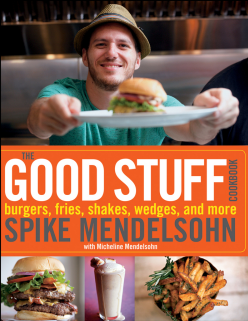
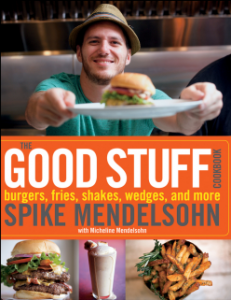 The Good Stuff - Spike Mendelsohn with Micheline Mendelsohn In “The Good Stuff Cookbook: Burgers, fries, shakes, wedges and more” (Wiley) local chef and former Top Chef contestant Spike Mendelsohn reveals his restaurant’s recipes for his 12 signature mayonnaises, 23 burgers including the Michelle Burger and Prez Obama Burger (both big fans of his Good Stuff Eatery restaurant here in DC), along with his Root Beer Float and ever-popular Toasted Marshmallow Shake. Gorgeous close-ups by DC photographer Joel Shymanski, capture the intimacy of the moment between the arrival of the hot, smoking, gooey, oozing, herbed, slathered dish and the split second before you pop it in your expectant and salivating mouth. Fire up the grill, fryer and blender with this party-on-every-page burger bling cookbook!
Food Writing
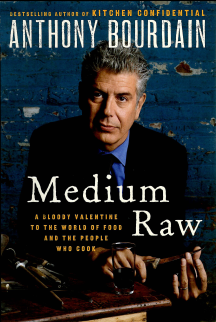
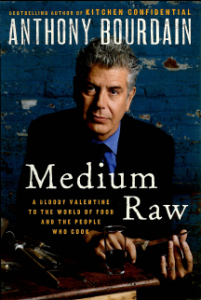 Medium Raw - Anthony Bourdain Edgy bad boy and acerbic wit, Anthony Bourdain, host of the Travel Channel’s “No Reservations” loves to upend the food world and strip off the damask tablecloths. In his latest reveal, “Medium Raw: A Bloody Valentine to the World of Food and The People Who Cook” (Harper Collins), he keeps the food fight center stage with a collection of essays that takes you past the glitz and glamour of our epicurean crystal palaces and into the belly of the beast, as he lasers in on noted chefs like Alice Waters and David Chang. A bloody good read!
Jordan Wright
December 1, 2010
Special to Georgetowner
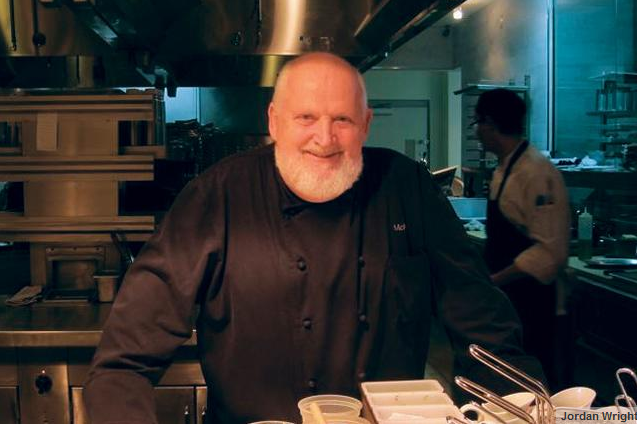 Michel Richard in his newest kitchen at Michel at the Ritz-Carlton Tysons Little Morso’s Turkish Delights
Morso is a tiny jewel box of a restaurant. Its hip modern décor is sleek, its bar, cozy and chic, its cuisine scrumptious, its prices gentle. A parking lot is right across the street, and it’s in the heart of Georgetown. What more can a hungry, stylish diner ask for?
Favorites: Ezme, a mixture of roasted tomato and pine nuts with orange and red pepper; creamy Babaganoush, the traditional eggplant made with roasted eggplant and pistachio oil; Baked Moussaka; heavenly Wood-grilled Fresh Squid filled with fresh herbs and burrata; perfectly grilled and tender Zatar Spiced Octopus with white bean puree, green olives and cilantro; Lamb Shish Kebap (yes, the spelling seems odd but that’s the Turkish word for roasting) served with bulghur and addictive sweet red onion with zatar and a killer dessert called Irmik Helva that is made with shredded phyllo and pistachios and boasts a semolina custard. It is to die for. I can’t be held responsible if you miss out on this sweet treat!
On the list for next time: eight different kinds of Brick Oven Pides (Turkish-style pizzas); Octopus Pilaf with Swiss Chard and Scallions; Grilled Boneless Whole Branzino; and handmade Manti. Manti are beef dumplings and here they are served with warm yoghurt, paprika oil and sumac. There is also a Swordfish Kebap, which is a fish high in mercury. So if you do have it and it is really good, please only order it once a year!
Glitch: There was a reception in the bar area for around 40 university alumni for the first hour and a half we were there. The manager apologized profusely saying he had planned for only 20 guests. Though it was a cute group of well-mannered alums, the bar is open to the dining area and it can be noisy. If you are planning a romantic evening without a distractingly high decibel count, ask if the restaurant is hosting a reception when making your reservations.
Sweetbite Creamery Poised to Up the Cookie Ante
I was introduced to Ashley Allen and Tricia Widgen, partners in Sweetbite Creamery, at the new Bethesda Central Farm Market where they sold their delicious ice cream sandwiches till the market closed up on November 23 for the season. Now you’ll find them at the Oakton Market in Bethesda and on the menu at the Mayflower Hotel.
The young local entrepreneurs met at George Washington University’s Business School and started their collaboration only a few months ago. They’ve been catering parties and putting together holiday gift packs with assorted flavors, and will even deliver a minimum of one dozen of their original flavors such as Baked Apple Snickerdoodle, Molasses Pumpkin, Sweet Potato and Marshmallow, and Salted Caramel to your home.
Rising Star Chefs Hold Gala Rooftop Tasting
Recently some of the area’s notable chefs including David Varley of Michael Mina’s Bourbon Steak at the Four Seasons, Bertrand Chemel of 2941, Dean Maupin of Keswick Hall at Monticello, John and Karen Shields of Town House restaurant and Benjamin Lambert of Restaurant Nora, prepared a few of their signature dishes on the tented rooftop of Charlie Palmer’s Steakhouse. Out-of-town chef Jason Alley of Comfort restaurant in Richmond, whose Beef Cheeks braised in juniper and ginger beer, was a favorite among some of the food writers. And he gave me his secret: Pork stock for the beef! Road trip to Richmond anyone?
Or maybe you’d prefer to cruise down Route 81 to Chilhowie, VA for Karen Shields’ heavenly Parsnip Candy Ice Cream concoction served with coconut, banana pudding, sponge cake, almond cookie, and lemongrass sorbet. I counted nine separate methods to create this dessert and though all the chefs’ recipes were included in the program, don’t try this one at home unless you want to be chained to your kitchen like a yard dog to a tree.
Each creation, including the swank desserts, was paired with wine, beer or specialty cocktails like the “Mulberry Street” created by PS 7’s mixologist, Gina Chersevani. The early fall evening was hosted by the ubiquitously charitable Todd Gray of Equinox. The winning chef was Matt Hill from Charlie Palmer’s for his Prosciutto-wrapped Canadian Pork Tenderloin with cauliflower puree and preserved cherries.
Kudos that the event overlooking the dome of the US Capitol was as green as could be with recyclable bamboo dinnerware.
Michel Richard Opens Third Restaurant in Tysons Corner
Michel Richard of Citronelle and Central Michel Richard, flush with celebratory glee, served up some delicacies earlier this week at his eponymously named new restaurant in the Ritz-Carlton Tysons Corner. Richard has tapped one of my favorite chefs, Levi Mezick, formerly of The Jockey Club (see my July story on Mezick) to be his Executive Chef.
Zaca Mesa Wines
Brook Williams is the CEO and wine grower at Zaca Mesa Winery and Vineyards nestled in the Santa Ynez Valley. He is a blond blue-eyed California guy with an enthusiasm for wine that came later in life after over twenty years on the financial side of winemaking for super-size wineries like Gallo, Kendall-Jackson and Beringer. You could say he’s a convert in a lot of ways.
For the past seven years, along with winemaker, Eric Mohseini, Williams has nurtured the grapes on the estate’s 750 acres. His wines are 100% estate grown and bottled using sustainable winegrowing practices and organic products.
“When we started out in the 1990s we got our cuttings from Randall Grahm and afterwards discovered they were Viognier not Roussanne,” he told me at a one-on-one wine tasting in the Blue Duck Tavern Lounge where I sampled seven Zaca Mesa wines.
“Later we got cuttings for our syrah from Gary Eberle. Zaca Mesa was the first to plant syrah in Santa Barbara County back in 1978. In fact our syrah sales have gone up 80% this year. It is our most popular seller.”
I found it has a lovely flavor profile of cassis, espresso, mocha and sage, but the 2006 should be put down for a few more years to fully appreciate.
As we spoke we nibbled and sipped over an exceptional charcuterie and cheese platter consisting of a luscious silken prosciutto, mortadella, soppressata, cured olives and tomatoes. Cheeses sampled were Humboldt Fog, Bayley Hazen Blue, Oma from the Von Trapp Farmstead, Nancy’s Hudson Valley Camembert, Organic Red Hawk triple crème made by Cowgirl Creamery, and the local Everona Dairy Piedmont.
I particularly liked the 2006 Roussanne. The grape is a Rhone variety, not well known in the States, but it likely will be soon since it captured a “Best White of Show” at Hilton Head this spring.
Try their award-winning 2007 Z Cuvee made with 57% Grenache, 31% Mourvedre and 12% Syrah with its raspberry, blueberry, blackberry and light pepper notes. I picked it up at the Home Farm Store in Middleburg where I had stopped to order an organic Ayrshire Farm heritage breed turkey for Thanksgiving dinner.
Enjoy these wines with dinner at such top restaurants as the Lafayette Room at the Hay Adams Hotel, Charlie Palmer’s Steakhouse, Black Salt and Veritas Wine Bar where they offer over 70 wines by the glass.
For purchase at Arrowine and Wegman’s in VA, and in DC at Ace Beverage, Cleveland Park Liquor and Wines, and Bell Wine and Spirits.
Rigoni di Asiago Fruit Jams, Honey and Chocolate Hazelnut Butter
It seems every chef in the country is fiddling around with “Nutella” in their desserts. This chocolate hazelnut spread has been a favorite in Italy since its invention in the 1940’s. During the war years, chocolate was pricey and hazelnuts were prolific in the Piedmont region of Italy, and this recipe could stretch out both ingredients.
It debuted in the US three decades ago it has become a popular way to sneak a bit of protein in kids’ diets with a slathering of the “gianduja” spread on toast.
For over 80 years the Rigoni family has produced eight varieties of organic honey (like chestnut, pine and eucalyptus), and seventeen different organic jams (crave the fig, gooseberry and pomegranate) on their ancestral farms in the Cimbrian Plateau of Asiago, Veneto. They have recently brought to the US market an entirely organic version of the spread they call, “Nocciolata”. It adds 15% more hazelnuts than Nutella and is richer, more luscious, and has a deeper flavor, too. Try frosting your cupcakes with it. I did…and it was heavenly and quick!
|