Jordan Wright
December 2018
Some new and notable books arrived this year, many of which surprised me by their diversity and flat-out culinary allure. All but one are food-related, and the authors have generously consented to share some of their best recipes. See below.
The following four writers are local to the DC and Chesapeake region.
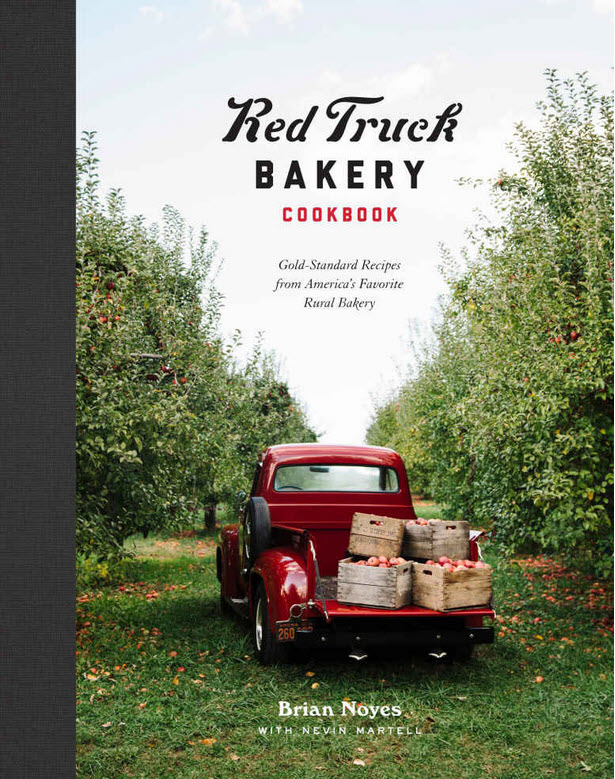 “Reprinted from Red Truck Bakery Cookbook. Copyright © 2018 by Brian Noyes. Photographs copyright © 2018 by Andrew Lee Thomas. Published by Clarkson Potter, an imprint of Penguin Random House, LLC.” ~ Brian Noyes with Nevin Martell’s “Red Truck Bakery Cookbook – Gold Standard Recipes from America’s Favorite Rural Bakery” (Clarkson Potter Publishers, 2018) has some eminently do-able show stoppers just in time for the holidays, but it’s one that you’ll be returning to time and time again for both classic and re-imagined recipes that trend Southern. Noyes runs two retail stores where all the baked goods are made by hand. The one in Warrenton, VA is in a former 1921 Esso Station the other is in Marshall, VA. The Red Truck Bakery ships all over the country. Fun fact: The Obamas, country and folk singer Mary Chapin Carpenter, Robert Duvall and Oprah are on his client list.
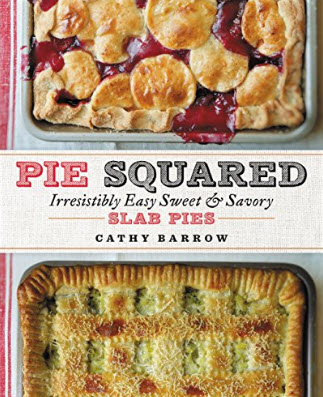
~ You’ll want to refer often to Washington Post food writer Cathy Barrow’s “Pie Squared – Irresistibly Easy Sweet & Savory Slab Pies” (Grand Central Publishing, 2018) for quick and easy slab pies perfect for hors d’oeuvres, dinner, desserts and party fare. Barrow’s Cherry Pie was the winner of a contest at the Washington Post and her recipe for slab pie broke the internet. Pro tips: Barrow uses a baking steel or pizza stone and swears she never gets soggy bottoms! She also uses ice packs or frozen peas to cool the counter before rolling out her dough.
 From left to right – Washington Post Food Editor, Bonnie Benwick, Red Truck Bakery owner and cookbook author,Brian Noyes, and Pie Squared cookbook author Cathy Barrow at a book signing at Old Town Books. – photo credit Jordan Wright ~ Newcomers Mauro Molino and Nicoletta Shane Scarnera’s “Piedmont Style – A Delectable Journey Through Northern Italy” (2018) is the dark horse of this grouping. Molino is originally from the Piedmont region. Currently Molino oversees operations at The Reserve restaurant in Alexandria, VA.
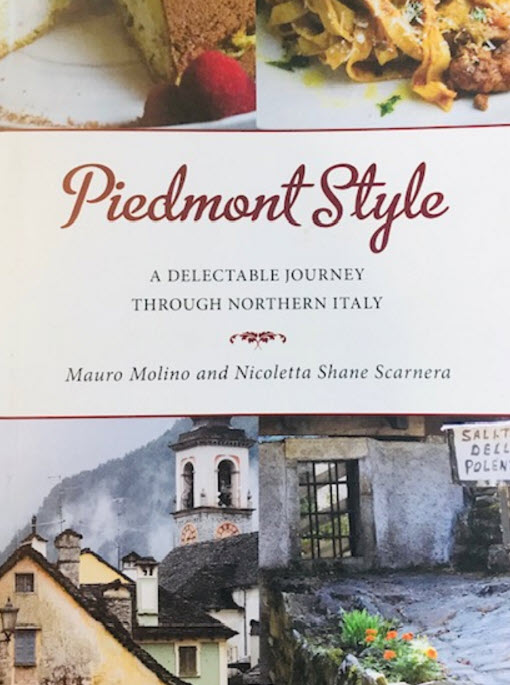
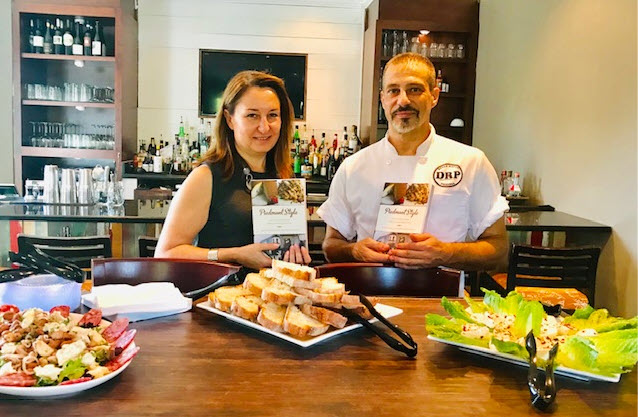 Nicoletta Shane Scarnera and Mauro Molino at a book signing for their new book “Piedmont Style” Self-published, it is a beautiful book with photographs by Scarnera of the food and terrain of the Piedmont. Divided by seasons, these recipes will keep you returning to its pages time and again for the evocative flavors of Northern Italy. Available for purchase at www.LegalizeAChef.com
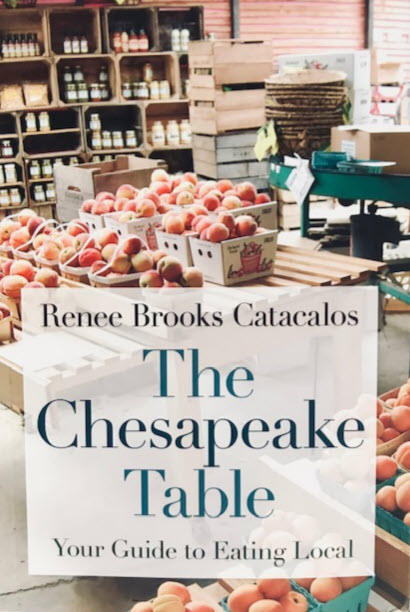
~ Renee Brooks Catacalos will be familiar to many as the former publisher of the magazine Edible Chesapeake and Deputy Director for Future Harvest – Chesapeake Alliance for Sustainable Agriculture. Coupled with regional recipes “The Chesapeake Table – Your Guide to Eating Local” (Johns Hopkins University Press, 2018) is a primer on local farms, breweries and distilleries in the Chesapeake region with an emphasis on environmentally sustainable practices.
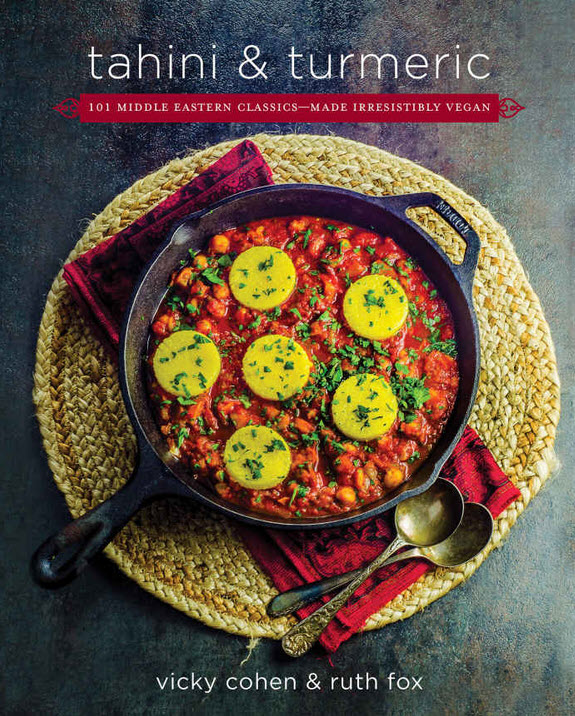
~ From to the Middle East, “Tahini & Turmeric – 101 Middle East Classics Made Irresistibly Vegan” (Da Capo Press, 2018) by sisters and veteran food writers, Vicky Cohen and Ruth Fox, is a fresh take on Middle Eastern cooking. With grains, nuts, seeds, legumes, fruits and veggies, it has all the recipes you’ll ever need to rock out plant-based meals from Spain, Syria, Morocco, Lebanon and Israel.
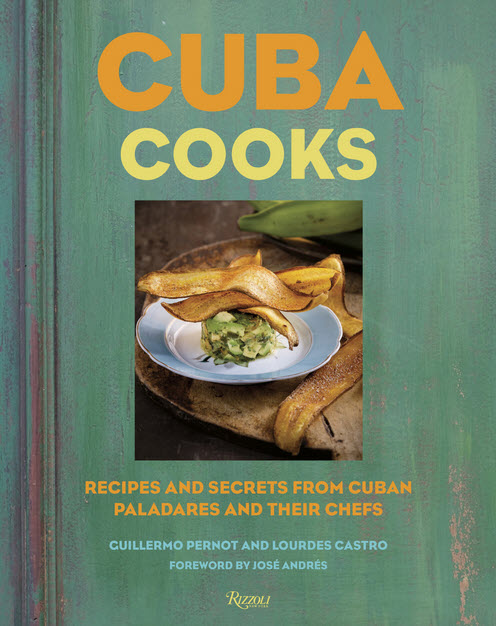
~ “Cuba Cooks: Recipes and Secrets from Cuban Paladares and Their Chefs” (Rizzoli, 2018) with foreword by José Andrés, takes you into the kitchens of the private home-based restaurants “paladares” that are scattered around Cuba. Guillermo Pernot, considered the “Maestro of Cuban Cooking” along with cookbook author and TV food celebrity, Lourdes Castro are your behind-the-scenes guides to the once imperiled cooking of this mysterious island nation.

~ Last on the list and naturally without recipes! is a fascinating read by New York Times bestselling author and full disclosure here, a personal friend, Eleanor Herman. Not to be referenced while preparing meals, “The Royal Art of Poison – Filthy Palaces, Fatal Cosmetics, Deadly Medicine and Murder Most Foul” (St. Martin’s Press, 2018) is a well-researched, headlong dive into the mysterious deaths of a host of famous historical figures from Henry VII and Michelangelo to Napoleon, Mozart and more. You’ll never watch another period drama without thinking about how kings, queens and assorted royals spent their idle hours dreaming up ways to knock each other off. Along with the tales of their demise are facts and suspicions. Leave it to this multi-disciplinary writer to dish it up in an engaging, gossipy style that can make even the driest subject stand your hair on end.
Recipes
From the Red Truck Bakery Cookbook
Rooster’s Pepper Jelly
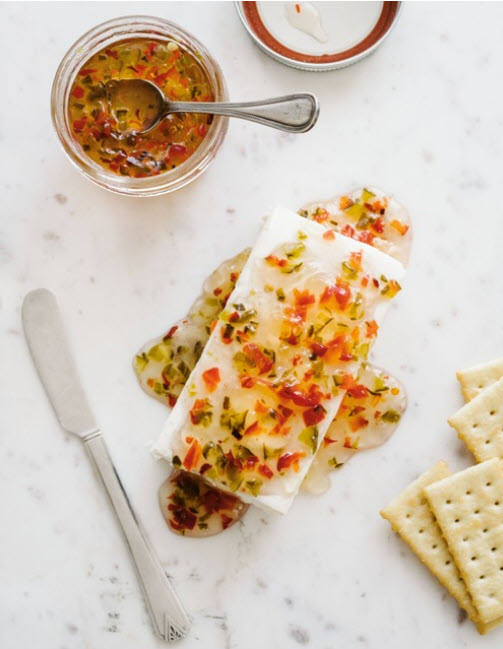
Makes 8 cups or 8 half-pint jars
- 2 cups finely chopped green bell peppers (about 2 medium)
- 2 cups finely chopped red bell peppers (about 2 medium)
- 1 cup finely chopped seeded fresh hot peppers (about 10)
- 3 cups cider vinegar
- 12 cups sugar
- 1 tablespoon red pepper flakes
- 2 (3-ounce) packages liquid pectin
- In a large, tall-sided nonreactive pot, combine the green bell peppers, red bell peppers, hot peppers, vinegar, sugar, and red pepper flakes and bring to a rolling boil over high heat. Add the pectin and return to a rolling boil for exactly 2 minutes to blend and develop the flavors. While the jelly is cooking, use a brush dipped in water to clean off any that bubbles up the sides and sticks to the pot.
- Remove the pot from the heat, let the mixture cool, and refrigerate overnight in a half-gallon jar or covered bowl to achieve a jelly consistency. The jelly will keep in the refrigerator for about 1 month.
- If you’d like to save the jelly for future use, sterilize 8-ounce jars, rings, and lids according to the manufacturer’s directions. Set a raised wire rack on a dishtowel or layer of newspaper. Carefully pour the jam into the sterilized jars, leaving ½ inch of space at the top of the jars. Wipe the rims of the jars clean and seal tightly. Transfer the jars to a canning pot and add water to cover by 1 to 2 inches. Boil the jars for 10 minutes, sealing them according to the manufacturer’s directions. Carefully remove the jars from the water and place on the wire rack over the towel or newspaper. Let stand for several hours until cooled.
- Unopened jars of jelly will keep at room temperature for about 1 year.
Guinness Stout and Chocolate Irish Cake with Baileys Irish Cream Frosting
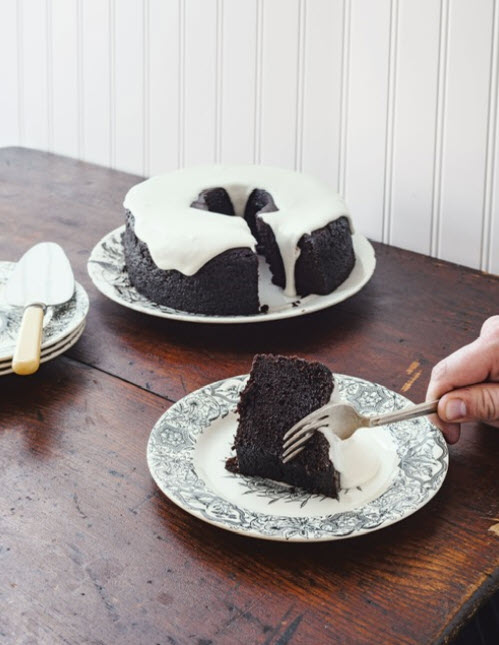 Makes one 10-inch Bundt cake Makes one 10-inch Bundt cake
Cake:
- Nonstick cooking spray
- 1 cup unbleached all-purpose flour, sifted, plus more for dusting
- ¼ cup canola oil
- ½ cup Guinness stout
- 1 tablespoon plus 1½ teaspoons unsalted butter, melted
- ½ cup unsweetened cocoa powder
- 1 cup granulated sugar
- ½ cup sour cream
- 1 large egg
- 1½ teaspoons pure vanilla extract
- 2 teaspoons instant vanilla pudding mix
- 1 teaspoon baking soda
- ½ teaspoon baking powder
- Frosting:
- 1¾ cups confectioners’ sugar
- ¼ cup Baileys Irish Cream coffee creamer
- Preheat the oven to 350°F. Coat a 10-inch Bundt pan with nonstick spray and dust it with flour, tapping out any excess.
- Make the cake: In a large bowl, whisk together the canola oil, Guinness, and melted butter until well blended. Whisk in the cocoa powder and granulated sugar.
- In the bowl of a stand mixer fitted with the paddle attachment, beat together the sour cream, egg, and vanilla at medium speed until just combined. Add the Guinness mixture and mix until combined. Add the flour, pudding mix, baking soda, and baking powder. Beat until smooth.
- Transfer the batter to the prepared pan. Smooth the top with a spatula. Bake for 35 to 40 minutes, turning the pan after 20 minutes, until a toothpick inserted into the center of the cake comes out clean and the middle of the cake bounces back when touched. Let cool completely, then turn the cake out of the pan onto a cake stand or platter.
From Tahini & Turmeric
Creamy Tahini Cheesecake with Pistachio Crust and Fresh Pomegranate
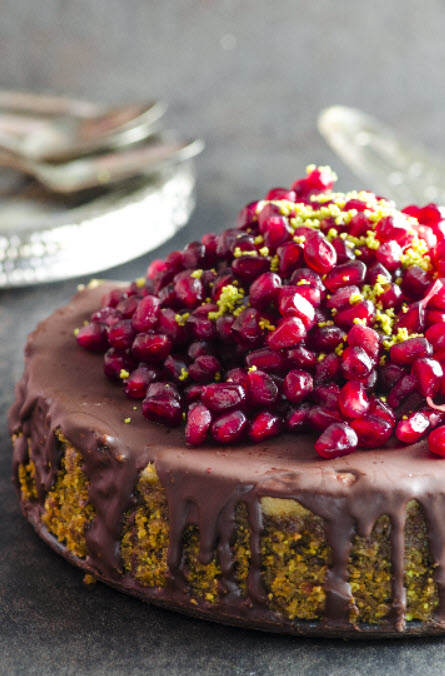
We’ve been making dairy-free cheesecake for years, and we’ve always used dairy-free cream cheese as our base. That is until we discovered how ground, soaked cashews have the extraordinary ability to mimic pretty much every single dairy product from ricotta to cream cheese. Cashews are incredibly versatile. In this recipe, they work beautifully with the tahini (which also adds a subtle nutty flavor), and the result is a rich and creamy cheesecake. The slightly tart pomegranate seeds cut through the creaminess of the cashew and tahini base, also providing a touch of crunch. To further accentuate the Middle Eastern flavors of this luscious dessert, we make the crust with dates and pistachios.
This recipe works best when prepared in a 7-inch springform pan. You can use a bigger mold if that is what you have on hand, but take into consideration that the cheesecake will not be as tall.
The leftover cheesecake can be frozen in an airtight container for up to a month. We recommend removing the pomegranate seeds from the top before freezing.
Prep time: 1 hour 45 minutes (includes freezing time)
Makes one 7-inch cheesecake
INGREDIENTS:
- 2 cups raw cashews
- 1 1/2 cups boiling water
- 1 cup plus 2 tablespoons shelled pistachios
- 20 pitted dates, or 10 pitted Medjool dates
- 1/2 cup plus 1 tablespoon tahini
- 1/3 cup pure maple syrup
- 3 tablespoons coconut oil, melted
- 3 tablespoons unsweetened nondairy milk
- 1 tablespoon freshly squeezed lemon juice
- 1/2 teaspoon pure vanilla extract
TOPPING:
- 1 cup vegan chocolate chips
- 2 teaspoons coconut oil
- 1 cup pomegranate seeds
EQUIPMENT:
Place the cashews in a heatproof bowl. Add the boiling water. Soak for 30 minutes and then drain.
In the meantime, prepare the crust: Combine 1 cup of the pistachios, dates, and 1 tablespoon of tahini in a food processor. Pulse until well combined and transfer the mixture to a 7-inch springform pan. Press down evenly, so the mixture comes about halfway up the sides of the pan. Refrigerate until you’re ready to use it.
Prepare the filling: Combine the drained cashews, 1/2 cup of the tahini, and the maple syrup, melted coconut oil, nondairy milk, lemon juice, and vanilla in the food processor. Pulse until smooth, scraping the sides occasionally. Transfer the mixture to a bowl and fold in the remaining 2 tablespoons of pistachios. Pour the filling over the prepared crust and freeze for 1 hour.
Remove the cheesecake from the freezer and refrigerate until ready to serve.
Right before serving, prepare the chocolate topping: Place the chocolate chips and coconut oil in a medium-size, heatproof glass bowl. Fill a medium-size saucepan halfway with water and bring to a boil over high heat. Lower the heat to simmer and place the bowl of chocolate over the saucepan, making sure the boiling water doesn’t touch the bottom of the bowl. Let the chocolate melt, stirring frequently. Alternatively, melt the chocolate in a microwave, at 20-second intervals on standard power until completely melted, making sure to stir well each time (this will prevent the chocolate from seizing).
Drizzle the melted chocolate on top of the cheesecake. Garnish with fresh pomegranate seeds.
Cumin Jasmine Rice with Almonds, Walnuts, and Cashews
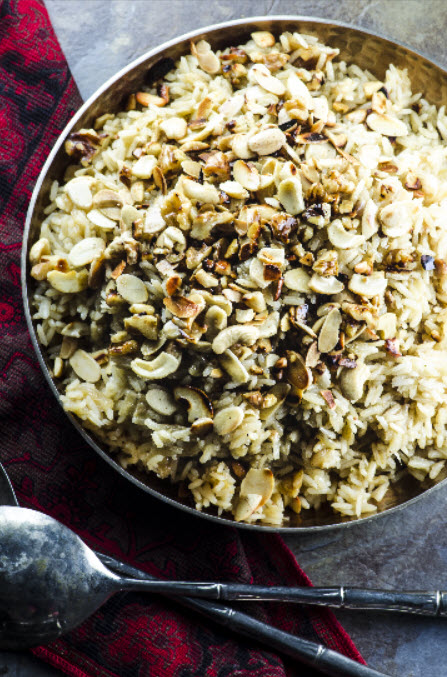
Smoky cumin, slow-cooked sweet onions, and rich toasted nuts add so much flavor to this dish, you will never look at rice the same way again. It’s the perfect accompaniment for our Roasted Cauliflower with Green Tahini or served alongside some plain Quinoa Harissa Meatless Meatballs. This dish is best when served fresh, but you can store the leftovers in the refrigerator for up to two days.
Prep time: 20 minutes
Cook time: 1 hour 30 minutes
Makes 4 to 6 servings
Ingredients:
- 1/4 cup olive oil
- 3 large sweet onions, sliced
- 1 3/4 teaspoons salt
- 1 3/4 teaspoons ground cumin
- 1 1/2 cups uncooked jasmine rice
- 2 teaspoons neutral-flavor oil (such as sunflower, avocado, or grapeseed)
- 1/4 cup sliced raw almonds
- 1/4 cup raw walnuts, chopped
- 1/4 cup raw cashews, roughly chopped parsley and pomegranate seeds, for garnish (optional)
Heat the olive oil in a deep, medium-size skillet with a lid. Add the onions and cook over medium-low heat for 1 hour, or until golden brown, stirring frequently (you might need to add some water during the cooking process to prevent them from burning).
Add 2 1/3 cups of water, and the salt and cumin and bring to a boil. Add the rice and stir well. Bring to a boil again, lower the heat to low, cover, and simmer for 25 minutes.
Uncover the skillet and gently fluff up the rice with a fork. Replace the lid and remove the skillet from the heat. Let sit for 10 minutes.
In the meantime, heat the neutral-flavor oil in a separate skillet over medium heat. Add the almonds, walnuts, and cashews and toast them for 2 to 3 minutes, stirring constantly, or until golden brown, watching them carefully to prevent them from burning.
Once the rice is ready, transfer it to a large serving platter and top with the toasted nuts. Garnish with parsley and pomegranate seeds, if using.
Time-saving tip – Cook the onions one to two days in advance, and refrigerate them until they are ready to be used.
Excerpted from Tahini & Turmeric: 101 Middle Eastern Classics—Made Irresistibly Vegan by Vicky Cohen and Ruth Fox. Copyright ©2018. Available from Da Capo Lifelong Books, an imprint of Perseus Books, LLC, a subsidiary of Hachette Book Group, Inc.
From Pie Squared
No-Campfire-Necessary S’Mores Slab Pie with a Graham Cracker Crust
Serves 15 to 18
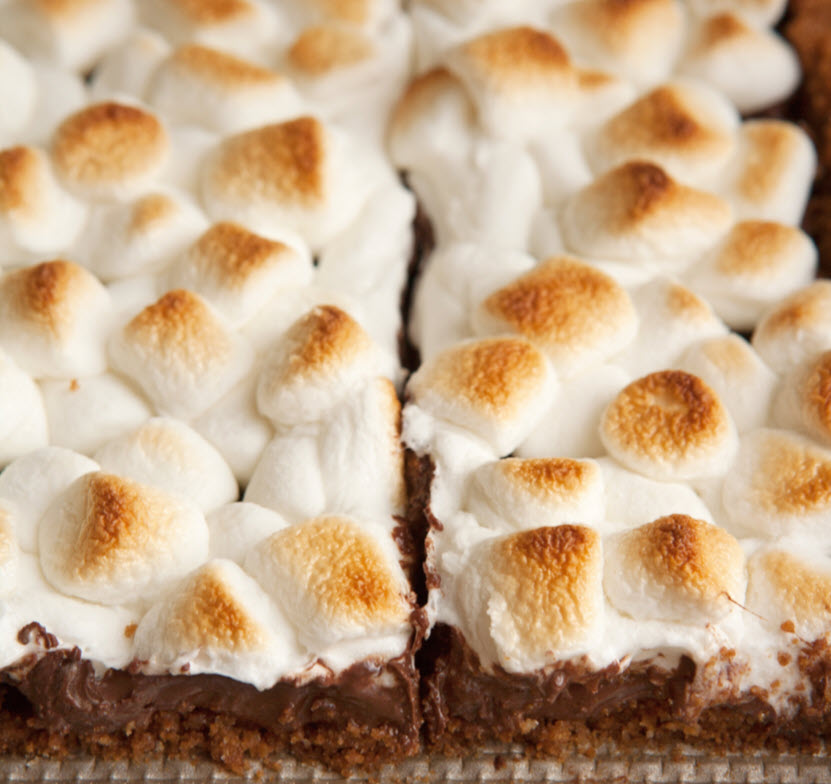 “Pie Squared” – S’mores expect some of you may slap your forehead when you read this recipe and say, “Why didn’t I think of that?” Indeed, it’s so easy and straightforward, it’s almost sinful. There is nothing to beat the smell of wood smoke and the fear your perfectly bronzed and oozy marshmallow will slip from the stick, but this S’Mores Slab stands in when the campfire is miles away. This pie must be baked on top of a hot surface to achieve a firm base.
Make Ahead: The crust may be baked and the chocolate layer spread over the crust a day or two in advance. Keep refrigerated until ready to add the marshmallows.
Graham Cracker Crust
- 9 graham crackers (143 g), crushed to a powder (about 1 1⁄4 cups)
- 6 tablespoons (85 g) unsalted butter, melted
- 1/3 cup (67 g) granulated sugar
- 1 teaspoon kosher salt
Filling
- 2 cups (12 ounces, 300 g) semisweet chocolate chips
- 5 cups (10 ounces, 285 g) mini marshmallows .
For the crust: Heat the oven to 350F and place a baking stone, Baking Steel, or inverted baking sheet on the center rack to heat. Place the graham crackers in a ziptop bag and bash them with a rolling pin until they are in small pieces but not powdered, or use your hands to crush them. Mix the cracker crumbs, butter, sugar, and salt together using your hands or a firm silicone spatula. Knead and press the mixture until it is cohesive and the crumbs are thoroughly buttered. Dump the dough into the slab pie pan and press across the bottom, but not up the sides of the pan. Press down using a metal cup measure, or the flat bottom of a glass, until the crust feels firm to the touch. Slide the pan into the center of the oven, on top of the steel, stone, or baking sheet, and bake until lightly browned, about 10 minutes.
To fill the pie: Remove the crust from the oven; it will still feel damp and soft. Immediately scatter the chocolate chips evenly across the surface of the pie and pop the pie back into the oven for no more than 2 minutes, until the chocolate is softened. With an offset spatula, spread the chocolate evenly across the crust. Refrigerate for at least 2 hours or up to 2 days.
Place a rack at the top of the oven and heat the broiler to high. Scatter the marshmallows thickly across the top of the pie. Slide the pan under the broiler and watch carefully. It takes about 2 minutes to brown beautifully. It takes about 4 minutes to incinerate.
While still hot from the oven, warm a long slicing knife under hot water, make a cut and, wiping and warming the knife between each subsequent cut, portion the pie into serving pieces.
Swaps:
• Try bittersweet chocolate instead of semisweet.
• A swipe of caramel atop the crust and below the chocolate is, plain and simple, naughty.
Just-Like-Artichoke-Dip Slab Pie with a Cream Cheese
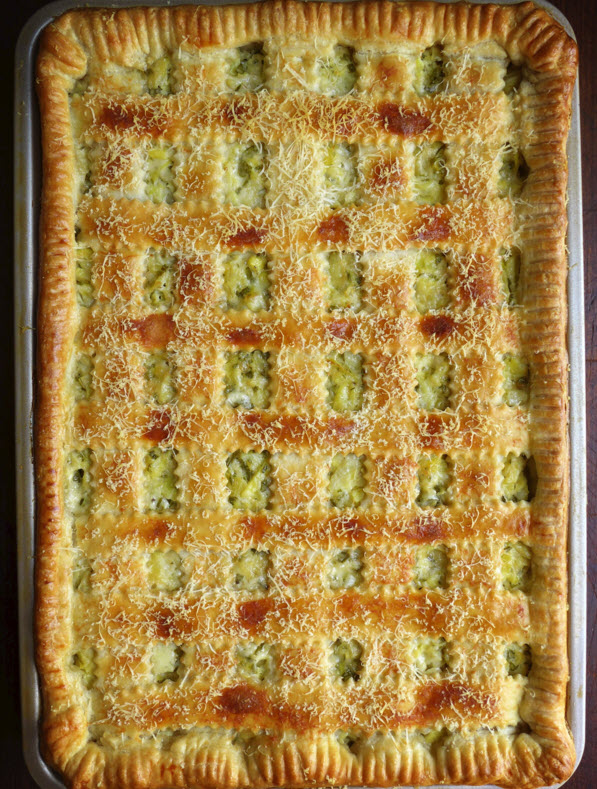 “Pie Squared” Artichoke Dip Slab Pie Serves 15 to 24
We all have our comfort foods, and artichoke dip is mine. It’s soothing and familiar and cheesy and goes with a rainy day and a Netflix binge. Next time, invite a few friends over, wrap that familiar combination in a tender cream cheese crust, and make a pie. Select artichokes packed in water, not marinated or in a vinegar brine. Chop the artichokes into small pieces, pressing the liquid out as you go. The drier the artichokes, the better the texture and flavor of the filling. Add a lattice or open-work crust that you dusted with cheese, cut the pie into tiny bite-sized pieces, and you have a fancy pass-around for a swanky cocktail party.
Make ahead – Combine the filling ingredients up to one day ahead.
Cream Cheese Crust
- 2 1⁄2 cups plus 2 tablespoons (325 g) all-purpose flour
- 8 tablespoons (113 g) unsalted butter, cubed and frozen for 20 minutes
- 8 tablespoons (113 g) cream cheese, cubed and refrigerated for 20 minutes 1⁄4 teaspoon kosher salt
- 1⁄2 cup (120 ml) ice water
Filling
- 2 (14-ounce) cans artichoke hearts in water (800 g), drained and chopped 3⁄4 cup (170 g) mayonnaise (not low-fat)
- 1 cup (100 g) grated Parmigiano Reggiano
- 1⁄2 cup (30 g) chopped fresh flat-leaf parsley
- 1⁄2 cup (30 g) snipped fresh chives 2 garlic cloves, grated or minced Juice of 1 lemon
- 1⁄2 teaspoon freshly ground pepper 1 egg yolk
- 1 tablespoon cold water
- 3 tablespoons finely grated Parmigiano Reggiano
For the crust: In the food processor, pulse the flour, butter, cream cheese, and salt until the fats are in small pieces coated with flour, about 15 times. Add the water all at once and process until the mixture almost forms a ball. Form the dough into a 6- by 4-inch rectangle using plastic wrap and a bench scraper to firmly press the dough into a cohesive form. Wrap tightly and refrigerate a minimum of 4 hours.
Remove the dough from the refrigerator and allow it to warm slightly. Divide the dough into two pieces, one slightly larger than the other. Roll out the larger piece to 11 by 15 inches and place in the slab pie pan, pressing it into the corners of the pan and allowing the excess to drape over the sides. Refrigerate. Roll out the second piece of dough to 10 by 14 inches, place it on a lightly floured sheet of parchment, and refrigerate.
Heat the oven to 400F; if you have one, place a baking stone, Baking Steel, or inverted baking sheet on the center rack to heat.
For the filling: Combine the artichokes, mayonnaise, 1 cup Parmigiano,
the parsley, chives, garlic, lemon juice, and pepper and scoop into the chilled bottom crust. Cut lattice strips from the chilled top crust. Spread the filling evenly in the bottom crust and lattice the top.
Combine the egg yolk and water in a small bowl. Dip a pastry brush into the egg wash and lightly glaze the lattice. Scatter the 3 tablespoons Parmigiano over the surface of the pie. Slide the pie into the oven (on top of the steel, stone, or baking sheet, if using) and bake
until the filling is bubbly and the crust is browned and glossy, 45 to 50 minutes. Cool slightly before serving.
Swaps:
- Add a small can of green chiles or small jar diced pimentos, drained, to the filling—or add both.
- Top with crushed Bugles.
Excerpted from the book PIE SQUARED: Irresistibly Easy Sweet & Savory Slab Pies by Cathy Barrow. Copyright © 2018 by Cathy Barrow. Reprinted with permission of Grand Central Publishing. All rights reserved.
From Cuba Cooks
Arroz Con Pollo – Chicken and Rice
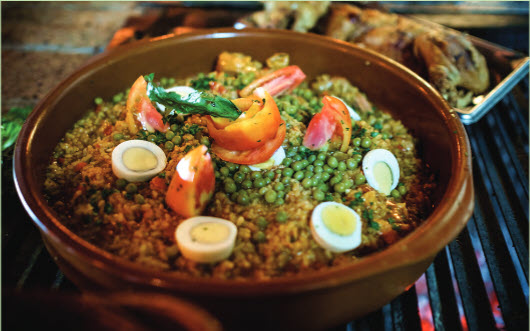
I’ve been eating arroz con pollo, the ubiquitous chicken and rice dish served at Cuban family gatherings, for as long as I can remember. And while I’ve had many delicious versions, chef Iván’s is undoubtedly the best I’ve tasted. I strongly suggest you do not neglect the last step, which instructs you to pour beer over the cooked dish. The beer mixes with the chicken juices and creates an incredibly tasty sauce.
Serves 4
- 2 cups chicken stock
- 1 chicken bouillon cube
- 4 skin-on, bone-in chicken thighs
- 4 skin-on, bone-in chicken legs,
- 1 tablespoon kosher salt, plus more
- to taste
- ½ cup olive oil
- 1 large onion, chopped
- 5 cloves garlic, minced
- 1 teaspoon ground cumin
- 1 bay leaf
- ¼ cup chopped green bell pepper
- ¼ cup chopped red bell pepper
- 1 large beefsteak tomato, cut in half
- crosswise, coarsely grated with a box
- grater
- 2 cups long-grain white rice
- 1 teaspoon saffron threads, soaked in
- 2 tablespoons water
- 1 cup frozen green peas, defrosted
- ⅓ cup Crystal beer, or other Pilsner-
- style beer
- 2 eggs, soft boiled, peeled and cut in
- half, for garnish
- 1 plum tomato, cut into quarters, for
- garnish
Place the chicken stock and bouillon cube in a saucepan over medium heat. Simmer until the bouillon cube is fully dissolved. Set the broth aside. Season the chicken pieces with the salt. Heat the olive oil in a wide sauté pan or cazuela (a terra-cotta cooking vessel) over medium heat. Add the chicken pieces and cook just until brown on both sides, about 5 minutes.
The chicken should not be cooked through. Remove the chicken to a plate and set aside. Add the onion to the pan and sauté it until it turns limp and translucent, 2–3 minutes. Stir in the garlic, cumin, and bay leaf and cook until fragrant, about 2 minutes more. Stir in the green and red peppers and the grated tomato and simmer for a couple minutes, then add the rice and saffron, along with its soaking water, to the pan.
Return the chicken pieces to the pan, making sure to nudge them into the rice. Pour the reserved chicken broth over the chicken and rice and bring to a simmer. Taste the broth and season with salt if necessary. Once the broth is simmering, reduce the heat to medium-low and cook, covered, for 20 minutes.
Sprinkle the peas over the chicken and cook for another 5 minutes. Right before serving, drizzle the beer evenly over the pan and garnish with the eggs and tomato wedges.
Ceviche de Ostion ~ Oyster Ceviche
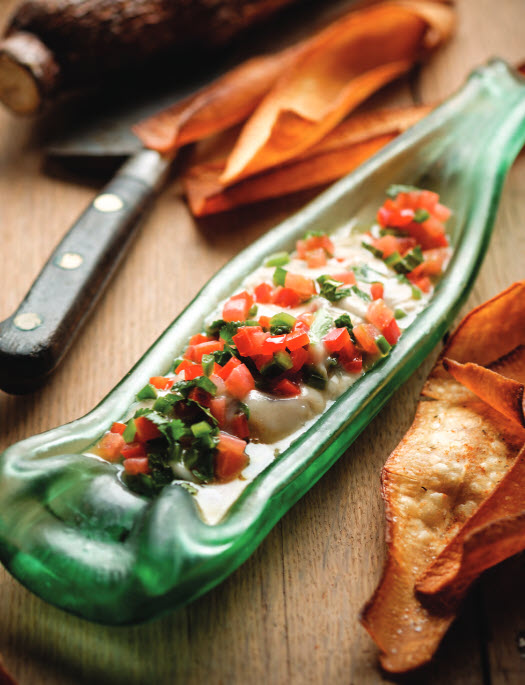
Oysters are incredibly rare in Cuba, as their stocks have been practically wiped out. However, on one particular day we saw a fisherman entering the paladar where we were seated with a bag of mangrove oysters. These Caribbean oysters grow in clumps on the roots of mangroves, the shrubs that grow in coastal seawater. Mangrove oysters are smaller, plumper, and less briny than the cold-water variety. When presented with this ingredient, the chef decided he’d prepare this oyster ceviche for us, and we loved it. Feel free to use your favorite oyster in this recipe.
Serves 6
- 1 cup extra virgin olive oil
- Juice of 2 limes
- Juice of 3 lemons
- 2 sprigs fresh mint, sliced into
- ribbons
- 2 sprigs fresh cilantro, chopped
- ½ small red bell pepper, seeded and
- finely chopped
- Kosher salt and freshly ground white
- pepper
- 30 oysters, shucked, liquid reserved
- 1 jalapeño pepper, seeded and finely
- chopped
- 1 tomato, peeled, seeded, and
- chopped
Yuca chips, for serving
From Piedmont Style
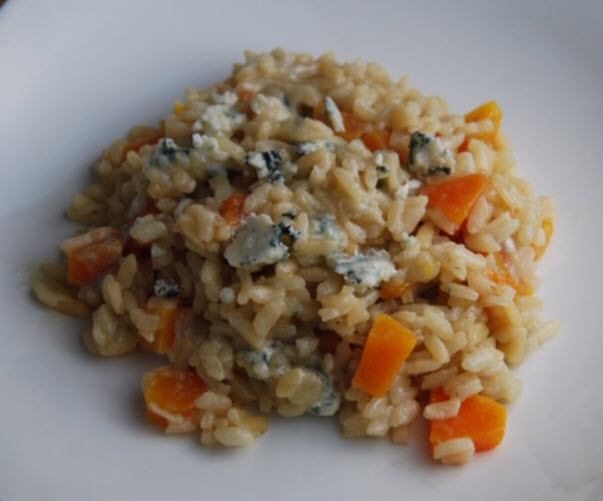
Pumpkin and Gorgonzola Cheese Risotto
- 2 tablespoons olive oil
- 4 tablespoons butter
- 1 yellow onion, finely chopped
- 1 pound Arborio rice
- 1 cup white wine
- 2 cups fresh pumpkin, peeled and cut in small cubes
- 8 cups chicken stock, hot
- 2 cups sweet Gorgonzola cheese
- 2 cups Parmesan cheese, grated
- Salt and pepper to taste
Heat the oil together with two tablespoons of butter in a large flat skillet; add the onions and sauté until they become translucent; add the rice and toss for a few minutes to allow each grain to be coated by the oil and butter. Pour in the wine and reduce all the way; add the pumpkin, mixing well. Little by little add the hot broth and let it be absorbed before adding some more. Simmer for 15 to 20 minutes, mixing very frequently to avoid the rice sticking to the bottom of the pan. Season to your taste. When cooked, remove from the heat, add the Gorgonzola cheese, Parmesan cheese and the remaining two tablespoons of butter; mix well. Serve hot.
Jordan Wright
November 2017
King Solomon’s Table ~ The Sioux Chef’s Indigenous Kitchen ~ Rasika – Flavors of India ~ Virginia Barbecue ~ The Potlikker Papers ~ Appalachian Appetite ~ The Faerie Handbook ~ Moonshine ~ Middle-Earth: From Script to Screen
If there’s a theme to this year’s crop of food and spirits books, it’s ethnically-driven, historic and authentic – with a dollop of fantasy. Like travelogues, they offer an authentic glimpse into the past.
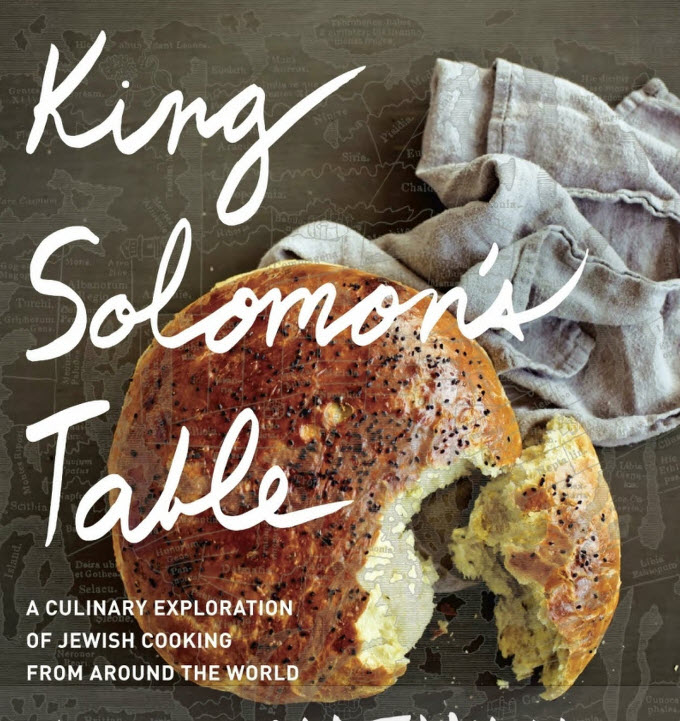
KING SOLOMON’S TABLE – A Culinary Exploration of Jewish Cooking from Around the World, Joan Nathan (Alfred A. Knopf 2018). This weighty and thoroughly comprehensive cookbook is Nathan’s most exciting to date. Edited by the late, much lauded Judith Jones with forward by Alice Waters, this compendium of forgotten recipes represents the many interpretations of the cuisine of the Jewish diaspora. As both historian and cook, Nathan, known as the grand dame of Jewish cookery, is relentless in her research. Through her extensive world travels into home kitchens and restaurants, she pries loose well-guarded, family recipes – many formulated with locally available ingredients. Her contextual and personal fore-stories to each recipe provide the kind of reading real cooks relish. www.aaknopf.com
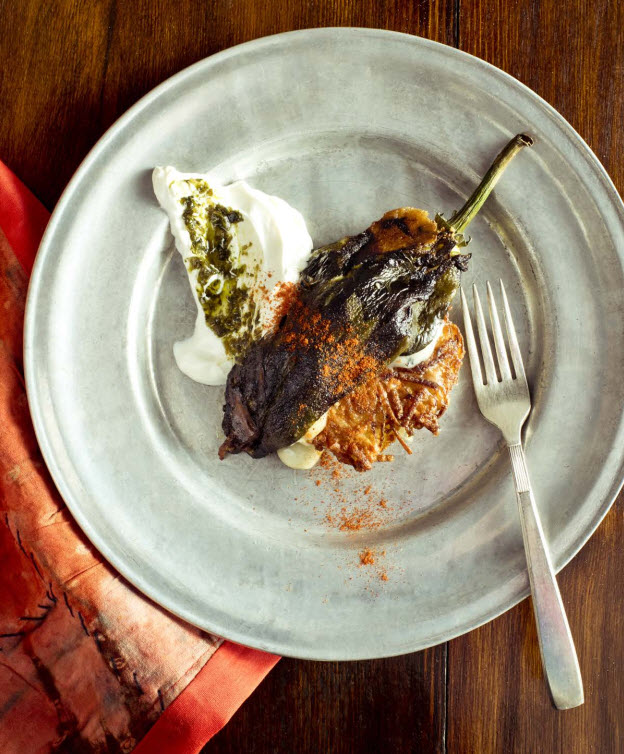
Green Chile Relleno Latkes
yield: 12 latkes
12 whole green chiles, such as Anaheim, Poblano, or Hatch
12 ounces (340 grams) white cheddar or Jack cheese, sliced width wise into 12 short pieces
2 pounds (1.11 kilos) russet or baking potatoes (about 3 large), peeled
1 medium onion, peeled
2 large eggs
B⁄d to V cup (30 to 55 grams)
panko or regular breadcrumbs or matzo meal
Salt and freshly ground pepper to taste
Vegetable or grape-seed oil for frying
1. Preheat the oven to 375 degrees and line a baking sheet with foil. Put the whole chiles on the baking sheet and roast for 40 minutes to an hour, flipping every 20 minutes, until the chiles are blackened all over. Let cool and then remove the stems and skin from each chili, leaving them as intact as possible. Then cut a slit almost the full length of each chili and carefully pull out the seeds. Put a piece of cheese inside each chili.
2. While the chiles are roasting, make the latkes, keeping the potatoes in cold water until ready to grate them.
3. Starting with the onions, alternately grate some of the onions in a food processor fitted with a steel blade or on the large holes of a large box grater and some of the potatoes on the smallest. (Doing it in this order will keep the
potato mixture from blackening.) When you have finished, put the potato and onion mixture into a clean dish towel and squeeze out the water into a medium bowl, allowing the potato starch to settle at the bottom. Carefully pour off the water, but leave the potato starch at the bottom of the bowl.
4. Once the liquid has been drained, put the potato mixture back in the bowl with the potato starch that has accumulated in the bottom. Add the egg, the breadcrumbs or matzo meal, and salt and pepper to taste and mix well.
5. Heat an inch of oil in a frying pan. Drop about 2 heaping tablespoons of mixture for each latke into the skillet and fry for a few minutes, turning
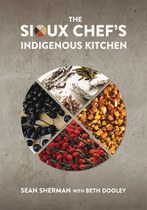
THE SIOUX CHEF’S INDIGENOUS KITCHEN – Sean Sherman with Beth Dooley (University of Minnesota Press 2017). Famed Oglala Dakota chef, Sean Sherman, brings his years of experience foraging game, fish and wild ingredients for authentic Native American fare to his first cookbook. I have been vicariously following Sherman’s nationwide nose-to-tail dinners on Facebook throughout the year, especially a six-course dinner at the James Beard House.
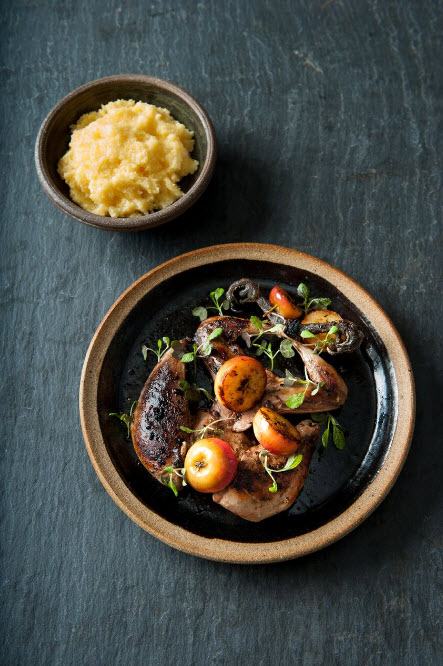
Maple–Juniper Roast Pheasant
Čhaŋháŋpi Tiktíča na Ȟaŋté úŋ Šiyóša Čheúŋpapi
Serves 4 to 6
When I was growing up on the Pine Ridge Reservation, we stocked our freezers with pheasant and grouse. We’d see them darting across the dirt roads into the dry brush. They were as common as the red-winged blackbirds perched on the fence posts.
Overnight dry brining seasons and helps this especially lean bird to become tender and succulent. The technique also works with grouse and guinea hens.
2 small pheasants
1 tablespoon coarse salt
2 tablespoons maple sugar
1 teaspoon sumac
1 teaspoon crushed juniper
¼ cup Rendered Duck Fat, page 105, or sunflower oil
1 cup fresh cranberries
½ cup Corn or Turkey Stock, page 170, or vegetable stock
3 tablespoons maple vinegar
2 griddled apple halves for garnish (optional)
The day before, rinse the pheasants and pat dry with paper towels. To dry-brine, generously season with the salt, maple sugar, sumac, and juniper. Place on a roasting pan or deep plate in the refrigerator, uncovered, overnight.
Preheat the oven to 500°F. Place the pheasants breast side up in a medium roasting pan. Rub a generous amount of the duck fat under the skin of the birds and over the outside of the skin. Put half the cranberries into the cavity of the pheasants and spread the rest in the pan. Pour the stock and vinegar into the roasting pan. Roast for 15 minutes. Reduce the heat to 350°F and baste the pheasants with the pan juices. Continue roasting until the skin is crisp, the juices run clear, and a meat thermometer inserted in the thigh reaches 155°F, about 30 to 45 more minutes. Allow to stand at least 10 minutes before carving.
Carve and drizzle with the pan juices before serving with the griddled apples.
Substitute 2 tablespoons cider vinegar and 1 tablespoon maple syrup for the maple vinegar.
For the griddled apples, slice the apples in half horizontally, brush with a little sunflower or walnut oil, and griddle cut side down in a hot skillet or frying pan until lightly browned, about 3 to 5 minutes.
Rendered Duck Fat
Carefully remove all the skin and fat from the duck breasts, cutting close to, but not touching, the meat. Once the fat and skin are removed, cut into 1-inch chunks. Place the skin, with its fat, into a heavy-bottomed skillet or Dutch oven. Set the pan over low heat and slowly cook, stirring occasionally, until the skin has crisped and its fat has changed to liquid, about 45 minutes. With a slotted spoon, remove the crisped skin (cracklings) and drain them in a bowl lined with paper towels. Allow the liquid fat to cool to room temperature, then strain through a fine-mesh sieve lined with cheesecloth into a bowl or a clean glass jar.
Corn Stock
Save the corncobs after you’ve enjoyed boiled or roasted corn on the cob or you’ve cut the kernels for use in a recipe. Put the corncobs into a pot and cover with water by about 1 inch. Bring to a boil and partially cover. Reduce the heat and simmer until the stock tastes “corny,” about 1 hour. Discard the cobs. Store the stock in a covered container in the refrigerator or freezer.
Fish, Game, Meat Stock
We make stock with just about everything in the larder, including vegetables (except greens) and bones (even smoked fish bones). Essential seasonings:
Juniper
Sage
Cedar
Mint
Juniper and cedar are aggressive flavors, so add seasoning with a light touch. You can always add more later on. Then add enough water to cover the ingredients completely and set over a low flame until the stock is flavorful. Cooking time will vary depending on the amount of liquid and the ingredients, but most stocks require cooking at least 2 to 3 hours.
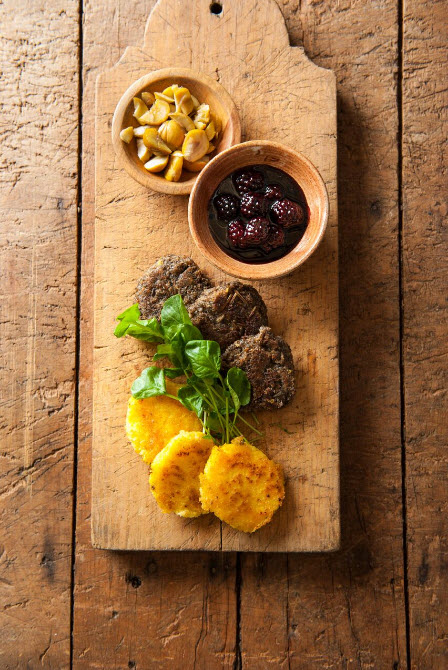
Wild Rice Cakes
Psíŋ Aǧúyapi Sáka na Hoǧáŋwičhašašni Ašótkaziyapi nakúŋ Waȟpé Skúya Yužápi
Makes about 4 to 6 cakes
These are our go-to cakes for breakfast, as a snack, and as the base for a well-seasoned bison braise or duck. They’re especially good topped with smoked fish and our bright lemony Sorrel Sauce, page 64. Make them tiny for an appetizer or big for dessert slathered in maple-berry sauce.
The recipe for these couldn’t be simpler. It’s just overcooked wild rice, pureed into a thick dough. We like to stir in a little cooked wild rice for texture. Once shaped, these will keep several days in the refrigerator, so feel free to make them ahead. Leftovers may be re-crisped in a low oven until warmed through.
2 cups cooked wild rice, page 81
About 3 cups water
Pinch salt
Generous pinch maple sugar
3 to 4 tablespoons sunflower oil or more as needed
Put 1½ cups cooked wild rice and water into a saucepan, reserving ½ cup. Place over high heat, bring to a boil, and reduce the heat to a simmer. Cook until the rice is very soft and the water has evaporated. Drain. In a food processor fitted with a steel blade, puree the rice into a sticky dough. Place the dough into a medium bowl and work in the salt, sugar, and the remaining cooked rice.
Scoop out a scant ¼ cup dough for each patty and shape to rounds about ½ inch thick. Heat the oil in a heavy skillet and brown the patties about 5 to 8 minutes per side until lightly browned. Transfer the patties to a baking sheet and place in a warm oven until ready to serve.
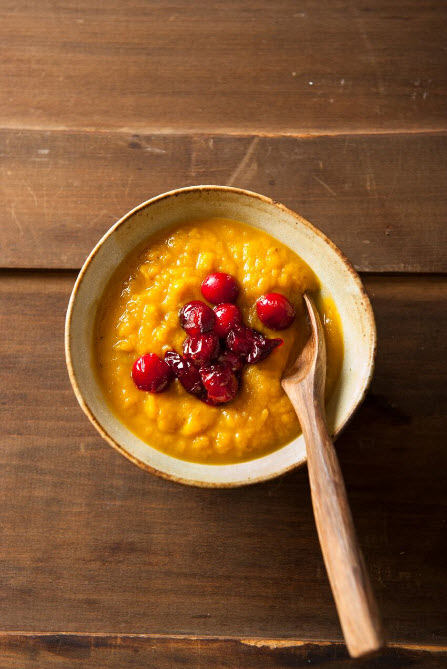
Squash and Apple Soup with Fresh Cranberry Sauce
Wagmú na Tȟaspáŋ Waháŋpi nakúŋ Watȟókeča T’áǧa Yužápi
Serves 4 to 6
This rich, flavorful soup has a creamy texture without cream. We use the small, tart crab apples that grow in backyards and along the borders of farm fields.
2 tablespoons sunflower oil
1 wild onion, chopped, or ¼ cup chopped shallot
2 pounds winter squash, seeded, peeled, and cut into 1-inch cubes
1 tart apple, cored and chopped
1 cup cider
3 cups Corn Stock, page 170, or vegetable stock
1 tablespoon maple syrup or more to taste
Salt to taste
Sumac to taste
Cranberry Sauce, page 108, or chopped fresh cranberries for garnish
Heat the oil in a deep, heavy saucepan over medium heat and sauté the onion, squash, and apple until the onion is translucent, about 5 minutes. Stir in the cider and stock, increase the heat, and bring to a boil. Reduce the heat and simmer until the squash is very tender, about 20 minutes. With an immersion blender or working in batches with a blender, puree the soup and return to the pot to warm. Season to taste with maple syrup, salt, and sumac. Serve with a dollop of Cranberry Sauce.
Recognition for his decades-long efforts as chef and educator has been given by National Public Radio, Guardian UK, Saveur and the New York Times. Sherman has just started a non-profit, NATIFS.org (or North American Traditional Indigenous Food Systems). In an email from last week, Sherman shared his exciting news. “We are actively fundraising, searching for an Executive Director, and looking for the building that will be an Indigenous Food Hub and the heart of the non-profit.
The building will house an indigenous restaurant under the non-profit that will be open to the public and used as a live training center to teach restaurant skills. The building will also have an education and research component called, The Indigenous Food Lab, which will offer classes and training on all parts of the indigenous food system curriculum we’ve been working on. We are expecting to find a building this year and begin building out as soon as possible.” In addition, he will open an indigenous focused restaurant in the new Waterworks Project in downtown Minneapolis along the river by the historic Stone Arch Bridge, the site of many spiritual and historic places for the Dakota people. www.upress.umn.edu
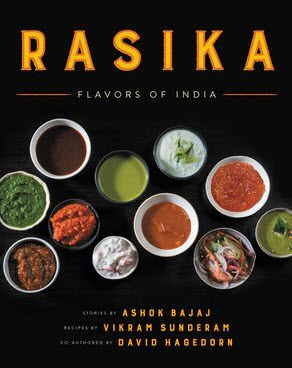
RASIKA – FLAVORS OF INDIA – Ashok Bajaj/Vikram Sunderam/David Hagedorn (Ecco 2017). The combination of mega-restaurateur Bajoj, James Beard Award-winning chef Sunderam and food writer and author David Hagedorn affords a back-of-the-house peek into a restaurant that has become a sensation. The book has tons of gorgeous photos and recipes for vegetarians (and vegans too) including one of the restaurant’s most popular dishes, Palak Chaat. The book methodically leads the reader into explanations and descriptions of exotic Indian spices, followed by a section of cocktails and ‘mocktails’ and a myriad of recipes, many from the restaurant’s signature dishes. A former chef and recipe writer for the Washington Post, co-author Hagedorn writes in a clear and detailed style to make these delicious recipes easy to accomplish. www.eccobooks.com
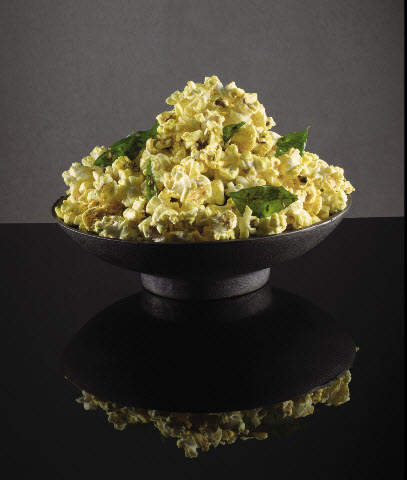
MASALA POPCORN
Vegan
Makes about 6 cups
This popcorn, which we offer with drinks in Rasika’s cocktail lounge, is a take on the indian snack chiwda, a sweet and savory mix often made with fried poha (puffed rice), dried fruit, nuts, spices, and herbs. There are many ways to make it and people add whatever they like—maybe corn flakes, coconut chips, chana dal. It’s a mainstay during Diwali, much like you’d have Chex Mix during the American holiday season.
If you don’t want to use the microwave popcorn, make it the old-fashioned way, following directions on the package of kerneles to make 6 cups of popcorn.
One 3.2 ounce back microwave popcorn
(Movie theater butter flavor or plain and salted), popped according to package directions)
2 tablespoons canola oil
1 teaspoon fennel seeds
1 teaspoon coriander seeds
1 teaspoon cumin seeds
1 teaspoon coarsely chopped fresh Thai green Chili
10 (1 ½ inch) fresh curry leaves (more if smaller), whole or cut crosswise into thin strips.
¼ teaspoon Kashmiri chili powder
¼ teaspoon ground turmeric
1/8 teaspoon asafetida
¼ teaspoon sugar
¼ teaspoon salt
Place the popcorn in a large bowl.
In a small saucepan, heat the oil over medium-high heat until it shimmers. Add the fennel seeds, coriander seeds, and cumin seeds and let them crackle. Stir in the green chili, curry leaves, Kashmiri chili powder, turmeric, and asafetida. Pour the mixture over the popcorn. Add the sugar and salt and stir or toss to coat evenly. (Keep tossing as you eat it to distribute the spice.)
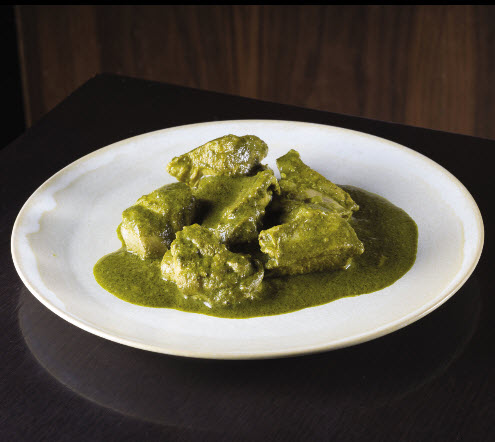
Chicken Green Masala
Serves 4
This is a riff on a Goan dish called chicken cafreal, which was brought to Western India by the Portuguese from their African colonies. (Cafreal is a Portuguese word meaning “in the African way.”) In the traditional recipe, chicken, whole or cut into bone-in pieces, is marinated in spicy green masala paste and then roasted. We decided to use the same ingredients and flavors, but to cut the chicken into bite- size, boneless pieces. This makes a much cleaner presentation and provides plenty of sauce for rice and bread. Despite its spiciness, or maybe because of it, Chicken Green Masala is one of the most popular dishes at Rasika.
Cooking the chicken uncovered rather than covered after the cilantro puree is added helps maintain its brightness.
For optimal flavor, make this dish many hours in advance, preferably the day before, and reheat it, although the sauce’s color will become darker.
Cilantro Puree
4 cups coarsely chopped cilantro, including stems
1 cup packed mint leaves
10 medium fresh Thai green chilies, coarsely chopped
½ teaspoon ground turmeric
½ cup fresh lemon juice
1 cup water
Chicken
1 tablespoon green cardamom pods
1 teaspoon whole cloves
2-inch cinnamon stick, curshed
2 tablespoons canola oil
1 cup finely chopped yellow onion
2 pounds boneless, skinless chicken (breast and/or thigh), cut into 1-inch cubes
½ teaspoon ground turmeric
1 ½ teaspoons salt
1 cup sunweetened coconut milk
Cucumber Raita (page 269), for serving
Plain Basmati Rice (page 217) and Naan (page 247), for serving
- MAKE THE CILANTRO PUREE: In a blender, combine the cilantro, mint, green chilies, garlic, turmeric, lemon juice, and water and blend on high speed to make a smooth puree. Run the blender for several minutes; the finer and smoother the puree, the better.
- MAKE THE CHICKEN: In a spice grinder, grind the cardamom pods, cloves, and cinnamon stick into a powder.
- In a heavy- bottomed pot or Dutch oven, heat the oil over medium- high heat until it shimmers. Sauté the onion, stirring frequently, until soft but not browned, about 3 minutes. Stir in the chicken, turmeric, and salt. Cover the pot and parcook the chicken for 5 minutes, stirring occasionally. Stir in the cilantro puree, coconut milk, and cardamom/clove/cinnamon powder and bring to a boil. Cook uncovered for 5 minutes, stirring occasionally, until the chicken is cooked through.
- Serve with cucumber raita, rice, and naan.
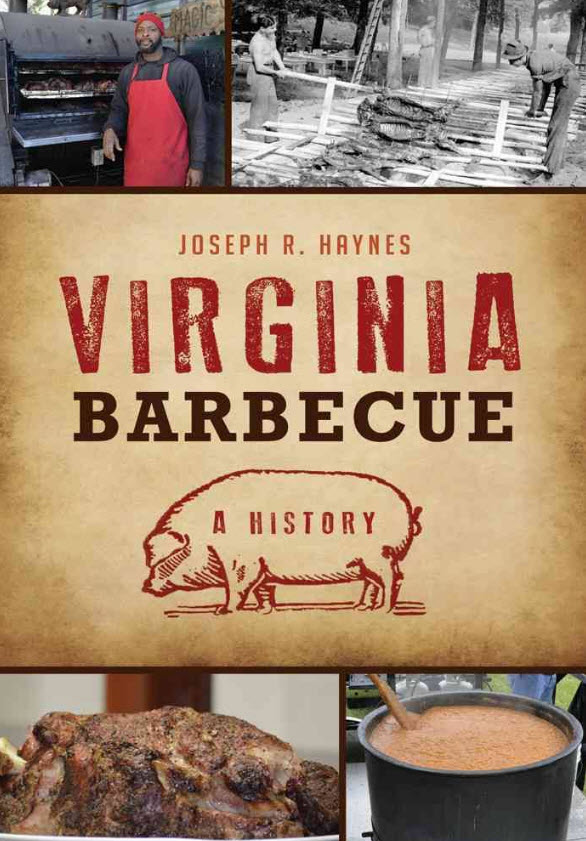
VIRGINIA BARBECUE – A HISTORY – Joseph R. Haynes (American Palate 2016). A member of the Patawomeck Indian tribe of Virginia, Haines is the consummate researcher you wish you had time to be. Combing through dusty archives and pouring over old recipe books, he proves that barbecue originated in Virginia with Native Americans. The book is rich with historic detail including old illustrations, archival photographs and posters advertising barbecue suppers. A must for backyard grillers looking for Virginia bragging rights. www.historypress.net
Wesley Jones, born enslaved in 1840, was a South Carolina barbecue cook. In 1937, at the age of ninety-seven, he shared his old southern barbecuing technique and recipe:
Night befo’ dem barbecues, I used to stay up all night a-cooking and basting de meats wid barbecue sass [sauce]. It made of vinegar, black and red pepper, salt, butter, a little sage, coriander, basil, onion, and garlic. Some folks drop a little sugar in it. On a long pronged stick I wraps a soft rag or cotton fer a swap, and all de night long I swabe dat meat ’till it drip into de fire. Dem drippings change de smoke into seasoned fumes dat smoke de meat. We turn de meat over and swab it dat way all night long ’till it ooze seasoning and bake all through.
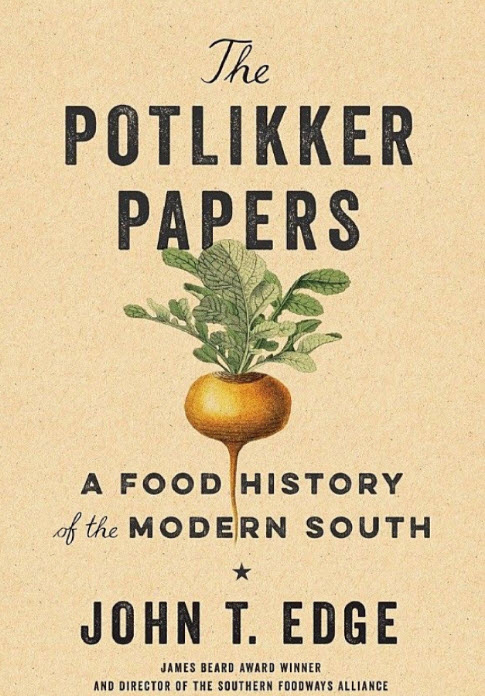
THE POTLIKKER PAPERS – A FOOD HISTORY OF THE MODERN SOUTH – John T. Edge (Penguin Press 2017). It’s not a simple matter to tie up the history and culture of food in the South, but Edge keeps us riveted throughout. As director of the Southern Foodways Alliance and James Beard Award-winner, Edge understands the politics and prose of Southern cooking. “‘Potlikker’ was an early euphemism for the polyglot of racial politics that is the South,” he explains. He gives props to the early pioneers of modern Southern cooking and tells tales from Fanny Hamer to Kentucky Fried Chicken founder Harland Sanders and Paul Prudhomme. A regular contributor to Garden & Gun magazine and winner of the James Beard Foundation’s M. F. K. Fisher Distinguished Writing Award, Edge proves that Southern cooking is what makes America great! www.thepenguinpress.com
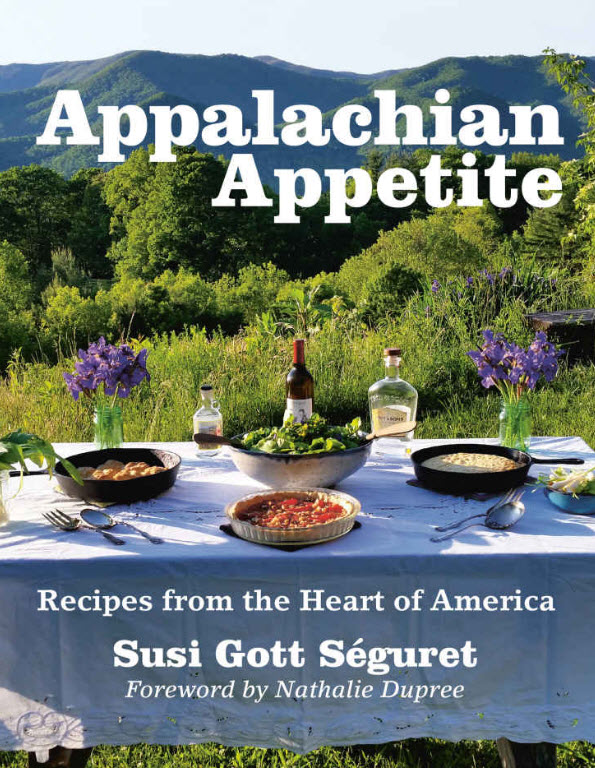
APPALACHIAN APPETITE – RECIPES FROM THE HEART OF AMERICA – Susi Gott Séguret (Hatherleigh Press 2016). Séguret’s French culinary school education informs her love for the wild and foraged ingredients from the hills of Appalachia and Madison County. In this heartwarming love story of all things Appalachian, she shares recipes from well-known Southern chefs and old-time song lyrics from her deep love of the region she calls home. www.hatherleighpress.com
Tiller’s Molassie Cake
Katie Hoffman, Historian
Ingredients:
2½ cups all-purpose flour
1½ teaspoons baking soda
1 teaspoon salt
1 teaspoon cinnamon
1 teaspoon cloves
½ teaspoon powdered ginger
For the Sorghum Mixture
1 cup “molassie” (sweet sorghum syrup)
½ cup melted butter (the original recipe calls for Crisco)
½ cup sugar
2 eggs
Preparation:
Preheat oven to 375°F and grease and flour a 9×13-inch pan. In a large bowl, whisk together the dry ingredients. Add the sorghum mixture and stir. Then, at the last minute, stir in 1 cup boiling water. The batter will be very thin. Pour it into the greased and floured cake pan. Bake for about 30 minutes. Use a cake tester to determine doneness. Do not overbake. (Or if you do, make the butterscotch sauce and no one will ever know!)
For the Butterscotch Sauce
Ingredients:
1½ cups brown sugar
2/3 cup corn syrup
4 tablespoons butter
¾ cup evaporated milk
Preparation:
Bring sugar, syrup, and butter to a boil, then let cool. Add the milk slowly, stirring constantly. Pour evenly over the top of the warm cake. Much of the sauce will sink in, but you will get a beautiful shiny glaze over the top.
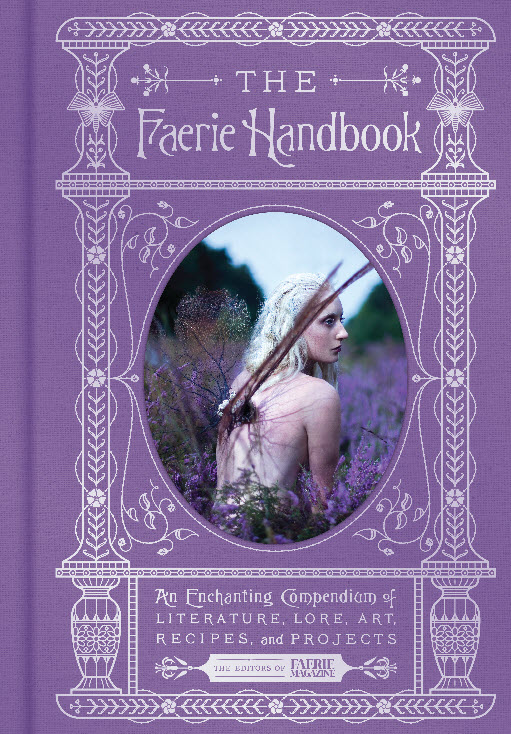
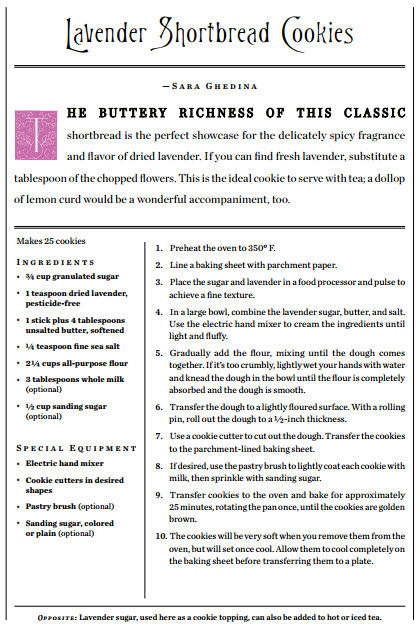
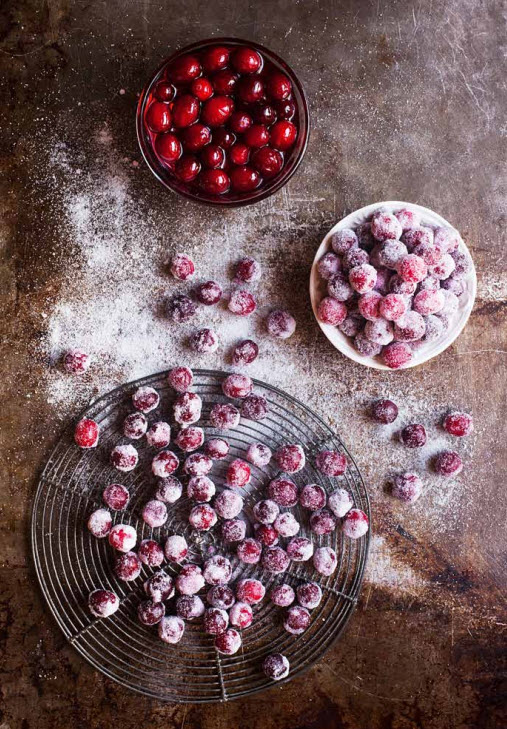
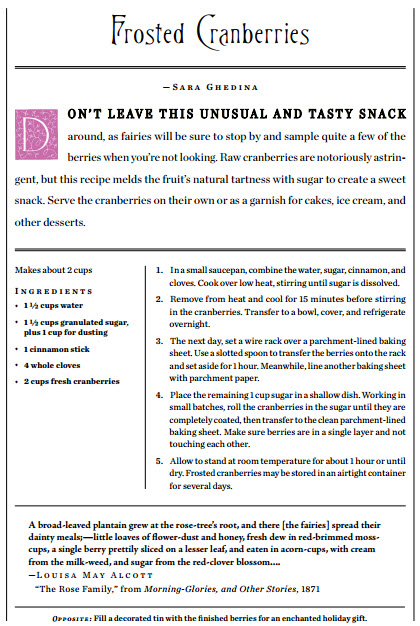
THE FAERIE HANDBOOK – AN ENCHANTING COMPENDIUM OF LITERATURE, LORE, ART, RECIPES AND PROJECTS – (from the Editors of Faerie Magazine 2017). Faerie lore is not something that was on my radar until this lovely book landed on my desk. Written by editor-in-chief Carolyn Turgeon and the editors of Faerie Magazine, one of Barnes & Noble’s top-selling lifestyle magazines. Who knew? They have a readership of 28,000. This lovely lavender linen-wrapped book traces the history of fairies from literature to pop culture. Featuring a well-curated array of vintage and contemporary fine art and photography, fashion pieces, essays, do-it-yourself projects and holiday recipes. www.harperdesignbooks.com

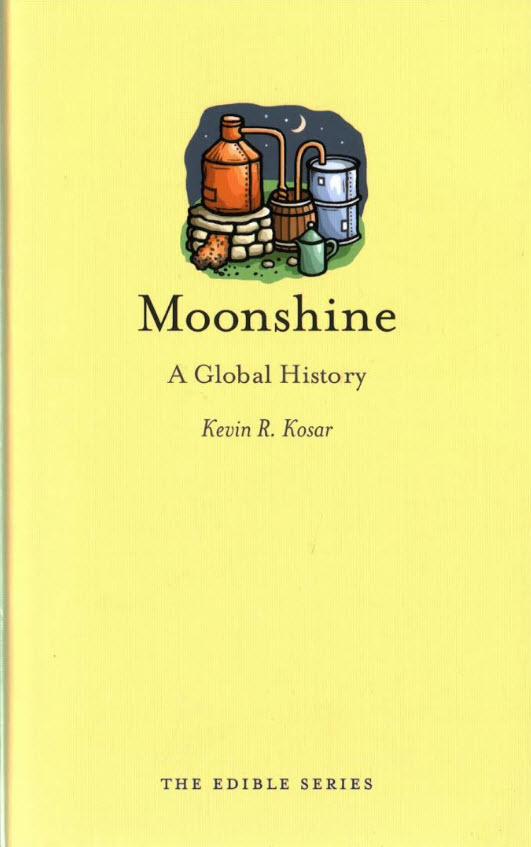
MOONSHINE – A GLOBAL HISTORY – Kevin Kosar (The Edible Series, Reaktion Books, UK 2017). A Washington, DC alcohol policy wonk, Kosar counts this as his second book on the topic of spirits. His first foray into writing about his favorite topic was Whiskey. Illustrated with photographs of early American backwoods stills, caricatures of moonshiners and illegal booze busts, Kosar proves that moonshine is a global phenomenon begun by ancient civilizations. Here we learn of the rum runners, gangsters, mountaineer moonshiners and Prohibitionists who peppered the industry when it was illegal and untaxable. A fun read with cocktail recipes for the uninitiated, Kosar writes, “Many recipes were developed in the U. S. during Prohibition to mask the taste of poorly made moonshine.” Thankfully we’ve come a long way from those days. www.reaktionbooks.co.uk

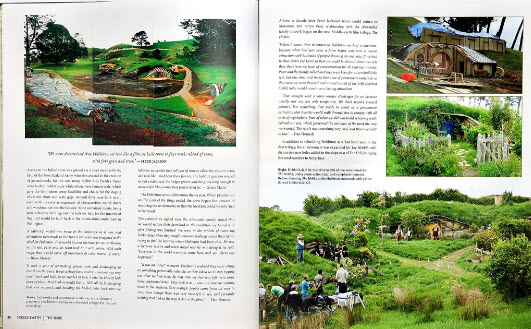
MIDDLE-EARTH: FROM SCRIPT TO SCREEN – Building the World of the Lord of the Rings and The Hobbit – Daniel Falconer (Harper Collins 2017). For the fantasy-minded, this massive 512-page book is an ode to the original set of “friendly folk”, Peter Jackson’s crack, creative team and art directors, who conceptualized the impossible bringing J. R. R. Tolkien’s magical trilogies to the big screen. It’s the consummate compendium for those eager to glimpse behind the scenes and learn the secrets behind the cinematic making of Middle Earth – its innovative visual and special effects that lead to its garnering 17 Academy Awards. Insider glimpses into set decoration, costume design, locations and character development, include hundreds of photos and concept illustrations from the closed set. Ring Trilogy geeks will learn how sets were built brick by brick and digitally pixel by pixel, including how multiple shooting units functioned. www.harperdesignbooks.com
Jordan Wright
November 22, 2016
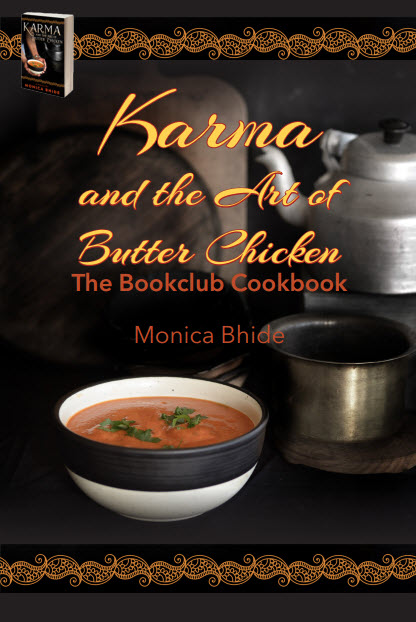
It’s a tricky proposition to categorize Monica Bhide’s new novel, Karma and the Art of Butter Chicken under ‘Cookbook’. Strictly speaking, it is not. There are no indulgent recipes to swoon over as in her 2015 cookbook, A Life of Spice or the two before that, Modern Spice: Inspired Indian Flavors for the Contemporary Kitchen in 2009, and The Everything Indian Cookbook in 2004. A prolific writer, Bhide has penned short stories, fiction and inspirational books, tailoring the latter to an audience eager to follow in her footsteps.
Her pieces have appeared in such prestigious journals as Food & Wine, Saveur, Bon Appetit, The Washington Post and the New York Times. As a local author, she is a frequent lecturer on the topic of food blogging for the Smithsonian Associates programs and has been a guest speaker at Georgetown University. Equally as impressive, she has been featured in four of the annual Best Food Writing anthologies along with some of the finest food writers in the nation.
 Author Monica Bhide In her latest novel Bhide offers up a sensitive, utterly hilarious portrait of a sweet, idealistic, and somewhat hapless, Indian teenager, Eshaan, whose secret love for a beautiful young woman, Kitt, leads him down a convoluted path to achieve his life’s mission. Eshaan’s altruistic dream is to feed the poor, but until he wins a local TV chef’s competition, he has to navigate major life hurdles with the aid of a page-turning collection of both friends and foes.
Bhide brings us into her world to experience the scents and flavors of India, the heady aromas of frangipani and curry, by offering up these memorably quirky, endearingly fascinating characters in the literary tradition of Armistead Maupin’s Tales of the City. One can only hope this is just the start of an ongoing series about the adventures and misadventures of Eshaan, Lama Dorje, a wise Buddhist monk, Radio Rani, an orphaned servant living in the monastery, and many others who dwell in the blessed aura of Buddha’s Karma Kitchen.
Monica will appear at an upcoming Indian dinner featuring her recipes at The Fourth Estate restaurant in Washington, DC on December 12th. Some of the recipes are central to the plot of Karma and the Art of Butter Chicken. A signed copy of the book and a compendium of recipes are included in the price. To view the menu and purchase tickets for the dinner, click on this link. www.press.org/events/karma-and-art-butter-chicken-dinner
To learn more about Bhide, order one of her books or view her line of art jewelry visit monicabhide.com.
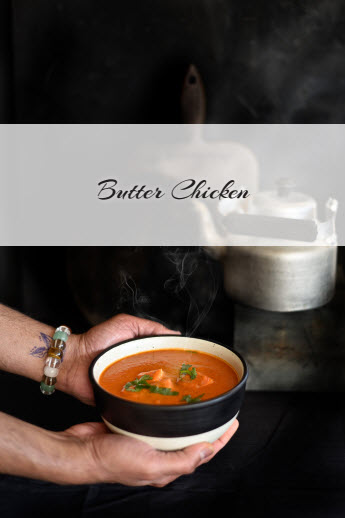
Monica Bhide’s Butter Chicken
Makes 4-5 servings
1 cup whole-milk Greek yogurt
1 tablespoon peeled, grated ginger
1 tablespoon peeled, minced garlic
2 tablespoons Indian tandoori masala (I recommend Shan Tandoori/ Tikka mix)
1⁄4 cup canned tomato puree
2 tablespoons fresh lemon juice
2 tablespoons melted butter or ghee*
8 skinless, boneless chicken thighs cut into small pieces
Salt, to taste
- In a large bowl, mix together yogurt, ginger, garlic, Indian tandoori masala, tomato puree, salt, lemon juice and butter. Add the chicken and mix well. Cover and refrigerate for at least an hour.
- Preheat the oven to 400 degrees. Place the chicken in a single layer in a roasting pan. Pour all remaining marinade over the chicken. Roast 20 to 30 minutes, or until the chicken is cooked and the juices run clear.
- Remove the chicken from the oven and place all the pieces on a platter. Reserve the cooked marinade in a bowl.
For the Sauce
4 tablespoons butter
1 tablespoon peeled, grated ginger
1 tablespoon peeled, minced garlic
2 medium tomatoes, finely chopped
Salt, to taste
1 serrano chile, finely minced
1⁄2 cup heavy cream
- To make the sauce, in a large skillet, heat the butter over medium heat. Add the ginger and garlic. Sauté for about 30 seconds.
- Add the tomatoes and cook, stirring constantly. Use the back of a spatula to mash the tomatoes as you go. Continue until the tomatoes are completely mashed and soft, about 10 minutes.
- Add the reserved marinade.
- Add the salt, chili pepper, and chicken and mix well. Simmer covered for about 10 minutes.
Add the cream and simmer for another minute. Serve hot.
Jordan Wright
April 27, 2016
To pen a collection of recipes using ingredients gleaned from the great outdoors, you ought to have some street cred – or shall I say hunter/gatherer credibility. Author Susan L. Ebert is not only skilled at all the activities listed in the cookbook’s title, she prepares and shares these foods within her circle of likeminded friends.
She’s part Euell Gibbons, wildcrafter, Michael Pollan, food philosopher, Alice Waters, natural foods proponent and Barton Seaver, chef and guardian of sustainable seafood. For Ebert, who’s all of these icons rolled into one, food – including the gathering, preparing and preserving of it – translates into being outdoors. The Texas transplant learned her skills from her Kentucky grandparents, Mamaw Grace and Papaw Dorsey, who valued the art of canning and drying their foods. As a young woman Ebert turned her attention to organic gardening, working under J. J. Rodale at Organic Gardening magazine where she learned about the dangers of pesticides and embraced the importance of caring for the earth.
With a poet’s passion and an environmentalist’s commitment, she learned to fish, hunt and glean wild edibles while publisher and editor of Texas Parks & Wildlife magazine. It was then she realized, as a single mother, she could feed her two young children from nature’s all-organic supermarket.
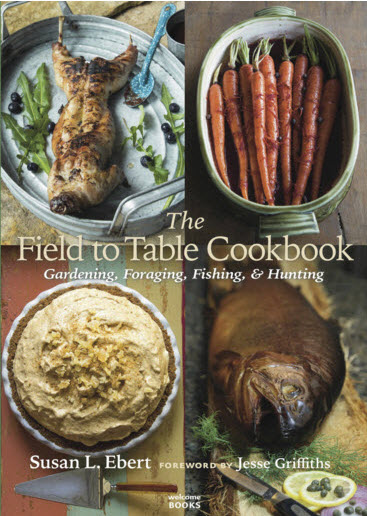
In The Field to Table Cookbook – Gardening, Foraging, Fishing & Hunting (Welcome Books – a division of Rizzoli International Publications – 2016) recipes are organized by hunting, fishing and gardening seasons. Here are 150 of Ebert’s favorite, non-GMO, wild foods recipes presented with love, humor, and a respectful compassion for God’s creatures.
Dishes as diverse as Doves in Blackberry Molé, American Beauty Backstrap (Dry-Aged Venison Backstrap with American Beautyberry Cumberland Sauce), Rancho El Rey con Guajalote (King Ranch Casserole with Wild Turkey) and Peaches ‘n’ Cream Pie, tempt the cook with stunning food and landscape photographs by Robert Peacock. In every recipe Ebert shows an intimate awareness of nature’s cupboard, from pickling redbud flowers in Spring to gathering wild muscadine grapes in early Fall. Even the bourbon she chooses for her Bluegrass Country Mint Julep must be just so and from one of two distilleries that use non-GMO corn. Only Wild Turkey or Four Roses will do.
For those who may not be handy with a gun, Ebert lists mail order sources for farm-raised and ethically harvested wild game, along with specialty gristmills for stone ground grains and flours.
Here’s Susan’s recipe and notes for Roasted Rabbit with Chipotle Sauce
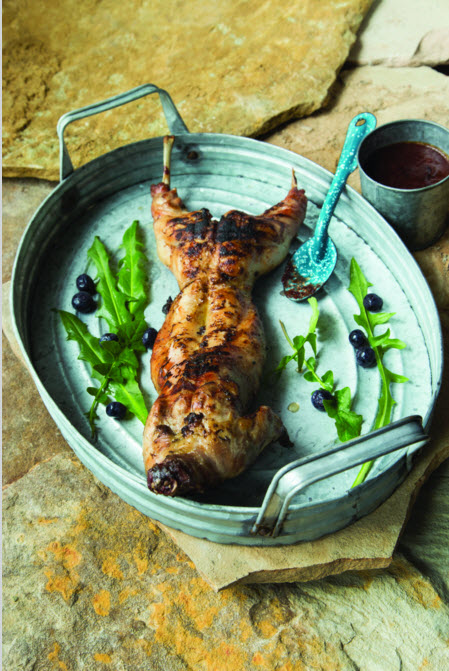 Roasted Rabbit with Chipotle Sauce Americans are eating more rabbit than at any time since World War II. Seems trendy chefs have discovered what many hunters already know: Rabbit’s delicious white meat is high in protein, low in fat, and rich in omega-3 fatty acids. In fact, rabbit meat has a higher protein-to-fat ratio than beef, pork, lamb, chicken, or turkey, and even a farm-raised rabbit is an environmentally responsible protein choice—the amount of food and water needed by a cow to produce 1 pound of meat will yield 6 pounds of rabbit meat.
Texas has no closed season on rabbits and hares—the most renowned of which are jackrabbits (actually hares), weighing between 4 and 8 pounds, and ranging throughout the western U.S. and all of Texas, except East Texas. Swamp rabbits (cane-cutters) weigh 3 to 6 pounds, with a range confined to East Texas’s marshes and riverine areas. The 2- to 3-pound cottontail rabbits range throughout the eastern half of the U.S., making them as plentiful as they are tasty. Go with a tightly choked light-gauge shotgun—20 ga., 28 ga., or even a .410—stoked with No. 6 to No. 7 ½ shot for best results afield, or buy organic domestic rabbit from a growing number of sources. [Fossil Farms, Boonton, New Jersey 973 917.3155 or visit www.FossilFarms.com]
Roasted Rabbit with Chipotle Sauce
Serves 4
- 1 field-dressed cottontail or farmed rabbit
For the brine:
- ½ cup sea salt
- 2 cinnamon sticks
- 1 tablespoon whole black peppercorns, crushed
- 4 allspice berries, crushed
- ½ cup organic dark brown sugar
- 1 tablespoon grated fresh ginger
- 2 teaspoons chipotle chile powder
- 1 teaspoon whole cloves
- 2 bay leaves
For roasting:
- ½ cup (1 stick) unsalted butter, melted
- Sea salt
- Freshly ground black pepper
- Cherry wood chips
- Blueberry–Chipotle Barbecue Sauce (recipe follows)
- Pour the cooled brine into a nonreactive container large enough to hold the rabbit, and add 4 to 6 cups ice water.
- Submerge the rabbit in the brine, weighing it down with a heavy plate if necessary.
- Brine the rabbit until about 1 hour prior to cooking, then remove and pat dry with paper towels.
- Place the rabbit on a wire rack over a baking sheet to dry and come to room temperature.
- Before grilling, brush the rabbit with some of the melted butter inside and out, and season with salt and pepper, both inside and out.
- Build a fire on one side of your grill (or if using gas, light only one burner) and bring the grill temperature to at least 400° F.
- Using long tongs over the hot fire, sear both sides of the rabbit to a golden brown. Move the rabbit to the cooler side of the grill, and roast over low indirect heat, with the grill
- covered, for 2 to 4 hours, basting occasionally with melted butter, until a meat thermometer placed in the thickest part of the thigh reaches 170° F. (Add cherry wood chips that have been soaked in water for at least 30 minutes to flavor the smoke.)
- Baste with barbecue sauce, then loosely tent under foil for 10 minutes prior to carving.
- Serve with more barbecue sauce on the side.
Blueberry–Chipotle Barbecue Sauce
This recipe came from a plethora of blueberries (30 pounds!) after a berry-picking excursion to a nearby organic blueberry farm. While it’s exquisite with roasted rabbit, the sauce also pairs nicely with game birds, poultry, or pork. Or, as my daughter Cristina suggested, why pair it with anything? Simply drink it with a straw, or perhaps brush your teeth with it!
Yields 2 quarts
- 4 tablespoons unsalted butter
- 2 shallots, minced
- 4 cloves garlic, minced
- 1 teaspoon grated fresh ginger
- 8 cups tomato puree (10 to 12 medium tomatoes,
- peeled, cored, and pureed)
- 4 dried chiles de árbol (rat tail chiles), stemmed and
- seeded
- 1 (7 ½-ounce) can chipotles in adobo sauce
- 2 cups blueberries, fresh or frozen
- 1 teaspoon sea salt
- 1 teaspoon dry mustard
- 1 teaspoon ground cayenne
- 1 teaspoon celery seeds
- ½ teaspoon ground cinnamon
- ¼ teaspoon ground mace
- ¼ teaspoon freshly grated nutmeg
- 1 cup unfiltered organic apple cider vinegar (I use
- Bragg’s)
- 1 cup dark agave nectar
- Juice of 2 lemons
- Melt the butter in a 4- to 5-quart stockpot over medium heat. Add the shallots and sauté for about 10 minutes, until lightly browned.
- Add the garlic and ginger and sauté for 1 minute more.
- Add the tomato puree, reduce the heat to low, and simmer for 15 to 20 minutes, stirring occasionally.
- Place the chiles de árbol in a blender with ½ cup boiling water, cover, and let them steep for 10 minutes to soften, then puree on high speed.
- Add the pureed chiles, the chipotles in adobo, blueberries, salt, dry mustard, cayenne, celery seeds, cinnamon, mace, and nutmeg to the stockpot, and increase the heat to medium to achieve a lively simmer.
- Once the pot is bubbling, add the vinegar, agave nectar, and lemon juice and reduce the heat to low.
- Let simmer for 45 minutes, stirring occasionally, until the liquid is reduced by about half.
- Remove from the heat and let the pot sit for 15 minutes, then ladle the sauce into a blender (fill the blender no more than half-full to avoid splatters) and batch-process until smooth. Freezes well.
Jordan Wright
March 24, 2016
Special to DC Metro Theater Arts
Just as I was beginning a healthier diet what should appear in my mailbox but two wonderful books from Lifelong Books, both dedicated to vegan cooking. How psychic is that? Terry Hope Romero, who has written a number of cookbooks on the subject, and was voted “Favorite Cookbook Author” by VegNews in 2011, has come out with Protein Ninja: Power Through Your Day with 100 Hearty Plant-Based Recipes that Pack a Protein Punch. It’s especially geared to vegans who feel they might not be getting enough protein in their diet. I take that to apply to those of us who work out a lot as well as those who are strictly vegan. Now I do not purport to be vegan, or even vegetarian (I can’t/won’t give up eggs or seafood), but there are some fantastic recipes in these pages that can benefit all of us.

You may already be familiar with Romero’s books Vegan Eats World, Salad Samurai and Viva Vegan!, but she was also co-author of Veganomicon, Vegan Cupcakes Take Over the World, and Vegan Pie in the Sky to name a few. In her latest cookbook she gives us recipes for every meal of the day. Gratefully they are quick and easy, as well as ethnically diverse. No bored palates. The collection offers plant-based protein dishes that are more sophisticated and creative. One might easily say, gourmet.
Though Romero is vegan for ethical reasons of kindness to animals, there is much current evidence that this philosophy is leaning towards another scientific proof – that eating vegan is a solution to climate change. Think about it. The less impact on the environment, the healthier the planet. Okay, enough science. Pretty soon I’ll need footnotes. In any case, it’s fact-based. Trust me. Google it.
In her book Romero offers tons of advice on how to easily up your protein intake. She also tells you what dishes can be frozen, which is tremendously helpful to those of us on the go. And though many of these recipes call for a myriad of different ingredients, mostly staples, there is enough symbiosis between recipes that you won’t feel as though you’re wasting food or money. Also helpful is the recipe icon guide that lets you know which dishes are gluten-free, soy-free, etc.
It was nearly impossible to choose one recipe from all these tempting vegan burgers and patty recipes (there are seven and she calls them “Burger Bowls” since they consist of a full meal) or her “Bakery Basket” (that includes amped up biscuits, waffles and the like). Dressings make up another group of recipes and they are super-creative, like the Dill Pickle Thousand Island Cashew Dressing. But here is Romero’s recipe for White Bean Cashew Ricotta Toast that can be made savory or sweet.
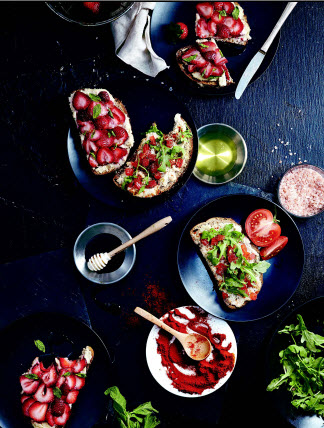
White Bean & Cashew Ricotta Toast
Makes about 2 cups spread in less than 30 minutes
I’m probably pushing the boundaries of what can be called a ricotta, but this satisfies my craving for a mellow, creamy spread without the usual help of tofu that plays well with fresh toppings, such as baby kale, arugula, and thinly sliced tomatoes or radishes or cucumber. Or go bold and use it as a base for sweet toast, too: sliced strawberries and chopped fresh mint, or a swirl of almond butter, chopped dates, and a dusting of cinnamon.
SPREAD
½ cup unroasted cashew pieces
1/2 cup hot tap water
1 (16-ounce) can cannellini beans or navy beans, well drained and rinsed
2 teaspoons mild flavored olive oil
2 teaspoons freshly squeezed lemon juice
1/2 teaspoon agave nectar
½ teaspoon salt
Hot whole-grain or sourdough toast
SAVORY GARNISHES
Baby kale leaves
Diced cherry tomatoes
Ground sweet paprika
Freshly ground black pepper
SWEET GARNISHES
Thinly sliced strawberries
Fresh mint leaves
Date syrup or pure maple syrup
Pink sea salt
- Make the spread: In a small bowl, combine the cashew pieces with hot water and soak for at least 20 minutes, or until the cashews are tender. Set aside 1 tablespoon of the soaking water and drain away the rest.
- In a food processor, blend the drained cashews and the reserved soaking water into a thick, slightly grainy paste. Add the beans, olive oil, lemon juice, agave nectar, and salt. Pulse into a thick mixture, occasionally stopping to scrape down the sides of the processor bowl. Don’t overblend; it’s preferable that this have a somewhat grainy texture. Taste and add a pinch more salt, sugar, or lemon juice, if desired.
- Use immediately, or chill for at least 30 minutes for the flavors to develop.
- Slather over hot toast and top with either the savory or sweet garnishes.
~~~~~
The path cookbook author Elina Fuhrman took to arrive at her passion has been a circuitous one to say the least. As a war correspondent and journalist for CNN, she’d fashioned a career writing about international conflict in far-flung hot spots. But nothing could have prepared her for the personal battle she faced when she was diagnosed with an aggressive form of breast cancer. In her search for health and wellness Fuhrman took on the challenge like the professional she is – researching, studying and interviewing doctors and nutritionists, from both Eastern and Western medicinal cultures. She calls her search her “healing pilgrimage”. The result is her debut cookbook. You might even call it a guide – Soupelina’s Soup Cleanse – Plant-Based Soups and Broths to Heal Your Body, Calm Your Mind and Transform Your Life. It has a little bit of schtick and a lot of tried and true recipes for the same freshly made soups she sells to her tony clientele in Los Angeles.
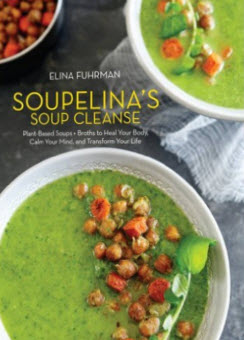
Fuhrman uses an artist’s palette of vegetables to inform her recipes – a nod to the “rainbow” concept of eating right. The first few dozen pages describe the application of Ayurvedic (from the Sanskrit “science of life”) principles to diet and lifestyle. She further delves into homeopathy, Chinese medicine and folk remedies, now commonly referred to as “alternative medicine”. Fuhrman makes a strong case for including these ancient theories and practices into her holistic regimen and offers 3- and 5-day detox cleanses, extreme for some, yet useful for those seeking a dramatic kickstart to their diet.
From quirkily named soups like “Easy Peas-y”, “Don’t Kvass Me Any More Questions”, a title derived from her Russian roots, and a cold soup called “Brave New Watermelon” that incorporates watermelon rinds (who knew?), it’s a book to teach as well as inspire. I particularly liked reading the prefaces to each recipe. They describe why it’s good for you, what symptoms it addresses, and what nutritional benefits it contains.
Here’s a recipe from the book that uses a delicious springtime ingredient – watercress. Though it calls for a Vitamix, you can just as easily use a blender.
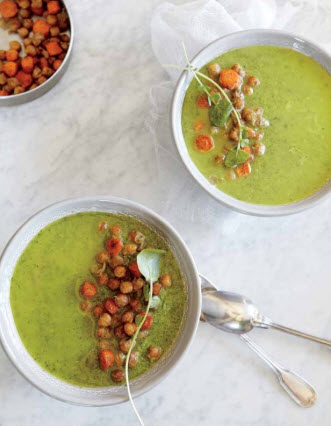
GONE WITH THE WATERCRESS
I’ve been looking to bring watercress into my diet for a while, but for some reason, I shied away from its bitter, peppery flavor. Until I read studies that it has significant levels of glucosinolate compounds, which means major anticancer benefits. Having these compounds in your body appears to help inhibit breast, lung, colon, and prostate cancers. When I remembered the delicious roasted chickpeas and carrots dish I had in Capetown, spiced with the intense North African blend called ras el hanout, I decided to play with the flavors. The sweetness of chickpeas totally worked with the bitterness of watercress, and the flavors seriously transported me to another continent. Not to mention the soup’s health benefits: It’s an antidote to fatigue, and great for detoxifying your body, healing your respiratory and digestive systems, and protecting against free radicals.
Serves 4
+ Preheat the oven to 350°F.
+ Combine the carrots and cooked chickpeas with the ras el hanout and a sprinkle of olive oil, and arrange on a baking sheet lined with parchment paper. Roast for 15 to 20 minutes, until al dente. Reserve half of the spiced chickpeas and set aside.
+ Meanwhile, heat the oil in a soup pot over medium heat, add the onion and ginger, and sauté until the onion is translucent. Add the nonreserved spiced chickpeas, watercress, salt, and boiling filtered water and simmer until the leaves wilt, about 3 minutes.
+ Transfer the mixture to a Vitamix and blend until smooth.
+ Taste and add salt to your liking.
+ Serve with the hot spiced carrots and reserved chickpeas.
- 3 carrots, diced into ¾-inch pieces
- 2 cups cooked chickpeas
- 2 tablespoons ras el hanout
- 2 tablespoons extra-virgin olive oil
- 1 onion, chopped
- 1 (1-inch) knob fresh ginger, grated
- 1½ to 2 bunches watercress
- Himalayan pink salt
- 3 cups boiling filtered water
Jordan Wright
July 15, 2015
Special to Indian Country Today Media Network
 Morning Edition co-host Steve Inskeep’s book Jacksonland: President Andrew Jackson, Cherokee Chief John Ross, and a Great American Land Grab tells the almost-lost-to-history story of Cherokee Chief John Ross and his attempts to save the Cherokee Nation from President Andrew Jackson. Photo credit: Penguin Press You don’t need to be a history buff to dive headlong into Jacksonland: President Andrew Jackson, Cherokee Chief John Ross, and a Great American Land Grab (Penguin Press, 2015), Steve Inskeep’s riveting masterpiece of two influential men who held radically opposing visions for our country. The well-respected author and co-host of National Public Radio’s Morning Edition recounts in vivid detail the ultimate story of power, ego and greed that was played out in the Deep South (which Inskeep dubs Jacksonland) and which ultimately defined the future settlement of our nascent nation. Coming from relatively humble roots, both men once fought on the same side and later crossed verbal swords in defense of their principles—Jackson, whose desire for personal gain for both himself and his well-heeled cronies translated into immense power and control of the Union, and John Ross, a well-educated and savvy Cherokee Indian chief committed to protecting Indian territories and sovereign rights.
Inskeep toggles between chapters about Jackson and Ross as he methodically lays out their personal journeys, meticulously detailing their early lives, crossed paths, and the events and battles that lead to the ultimate betrayal—the Trail of Tears. But the events do not progress in a straight line. And that’s precisely what makes this a page-turner.
At stake in 1812 were the territories of the Five Civilized Tribes—Cherokee, Seminole, Chickasaw, Choctaw and Creek—whose collective territory extended from the southernmost tip of Florida, around the panhandle to Louisiana and the Gulf of Mexico to the south, westward along the muddy banks of the Mississippi River to the Missouri Territory, and north in a winding border that extended from the Atlantic Coast south of what is known today as Georgia and along the northern reaches of the Tennessee River. This was the so-called Indian Map. On the contrary, the “White Man’s Map” of the same period laid claim to everything east of the Ohio River and the Mississippi, with the exception of Florida, which was still in Spanish hands.
Known to his people by his Cherokee name, Kooweskoowe, Ross was able to access the “whiteside,” as he called it, using his mixed Scottish and Indian ancestry to straddle both Indian and white political and social spheres. Trained as a lawyer, he sported the sartorial style of white politicians, cutting an imposing figure as he strode through the halls of Congress, negotiating with lawmakers to strike deals favorable to his people. There was no more dedicated and effective representative for the Cherokee, and they trusted and relied on his savvy statesmanship.
But the dark side to this era of Indian relationships with the U. S. government is the backstory of Jackson’s unimaginable greed, ruthless double-dealing and consolidation of power. How he granted favors to and colluded with his associates to obtain land for their personal enrichment, while breaking promises to the Indian nations.
Through personal letters written by Ross and Jackson, and a wealth of documents of the period, Inskeep has achieved an exhilarating read. Outlining the real history of Jackson’s rise to the U.S. presidency, and Ross’s hard-fought efforts for the Cherokee, the author makes it clear that given a few different conditions, the removal of the tribes might never have happened. For example it is stunning to learn that the 1835 Treaty of New Echota, in which the Indians ceded territory and agreed to move west, prevailed by a single vote, even though it had never been signed by Chief Ross or the Cherokee National Council. And that Jackson’s biggest battle may have been his health, which was so poor that frequently he was perilously close to death.
As a seasoned reporter, Inskeep has said he was driven by “the disgraceful politics of the past few years” to write this book. That passion has driven him to give us a clear-eyed and fascinating story of two influential men, one whose democratic values followed the principle of majority rule, and another who represented minority rights. But he has also delivered a cautionary tale of the machinations of the rich and powerful that especially resonates today.
Read more at http://indiancountrytodaymedianetwork.com/2015/07/15/jacksonland-riveting-narrative-details-chief-john-rosss-attempts-save-cherokee-nation
|